


Introduction
Interior design is about more than simply choosing furniture, colors, and decorations. It is about creating a space that feels comfortable, reflects your personality, and works well for the way you live. Understanding different interior design styles can make it easier to decide what belongs in your home and create a look that feels intentional rather than pieced together.
From clean modern interiors and cozy Scandinavian spaces to rustic, coastal, traditional, and bold Art Deco rooms, every style has its own character, materials, colors, and design elements. Knowing what sets each one apart can help you find inspiration and make more confident choices when decorating or updating your home.
Let’s explore some of the most popular interior design styles and what makes each one unique. In this guide, we’ll break down their defining features, color palettes, materials, and practical ways to bring each style into your own home.
| Style | Color Palette | Key Materials | Best For |
|---|---|---|---|
| Modern | Neutrals, black, white | Metal, glass, concrete | Clean-lined, uncluttered spaces |
| Contemporary | Whatever's current, often warm neutrals | Mixed, changes with trends | Homeowners who like to update often |
| Minimalist | White, beige, muted tones | Simple wood, matte finishes | Small spaces, low-clutter living |
| Scandinavian | White, light wood tones, soft pastels | Light wood, wool, linen | Cozy but airy rooms |
| Industrial | Charcoal, black, brown | Exposed metal, brick, concrete | Lofts, converted spaces |
| Traditional | Rich neutrals, deep reds and greens | Wood, brass, velvet | Formal, classic homes |
| Transitional | Warm neutrals | Mixed traditional and modern | Homes wanting balance |
| Farmhouse | White, cream, soft gray | Reclaimed wood, shiplap | Family homes, kitchens |
| Rustic | Earth tones, browns | Raw wood, stone, leather | Cabins, nature-adjacent homes |
| Bohemian | Layered, warm, eclectic | Rattan, macrame, textiles | Free-spirited, collected spaces |
| Mid-century modern | Mustard, olive, walnut brown | Teak, walnut, tapered wood legs | Retro-leaning living rooms |
| Coastal | White, blue, sandy neutrals | Light wood, linen, rope | Beach houses, sunrooms |
| Mediterranean | Terracotta, gold, deep blue | Stucco, wrought iron, tile | Warm-climate homes |
| French country | Soft blue, cream, lavender | Weathered wood, toile fabric | Romantic, lived-in kitchens |
| Art deco | Black, gold, jewel tones | Brass, mirrored glass, velvet | Statement rooms, entryways |
1. Modern
Short answer: Modern design is defined by clean lines, a restrained color palette, and materials like metal, glass, and concrete, rooted in a specific early-to-mid 20th century movement rather than just meaning "current."
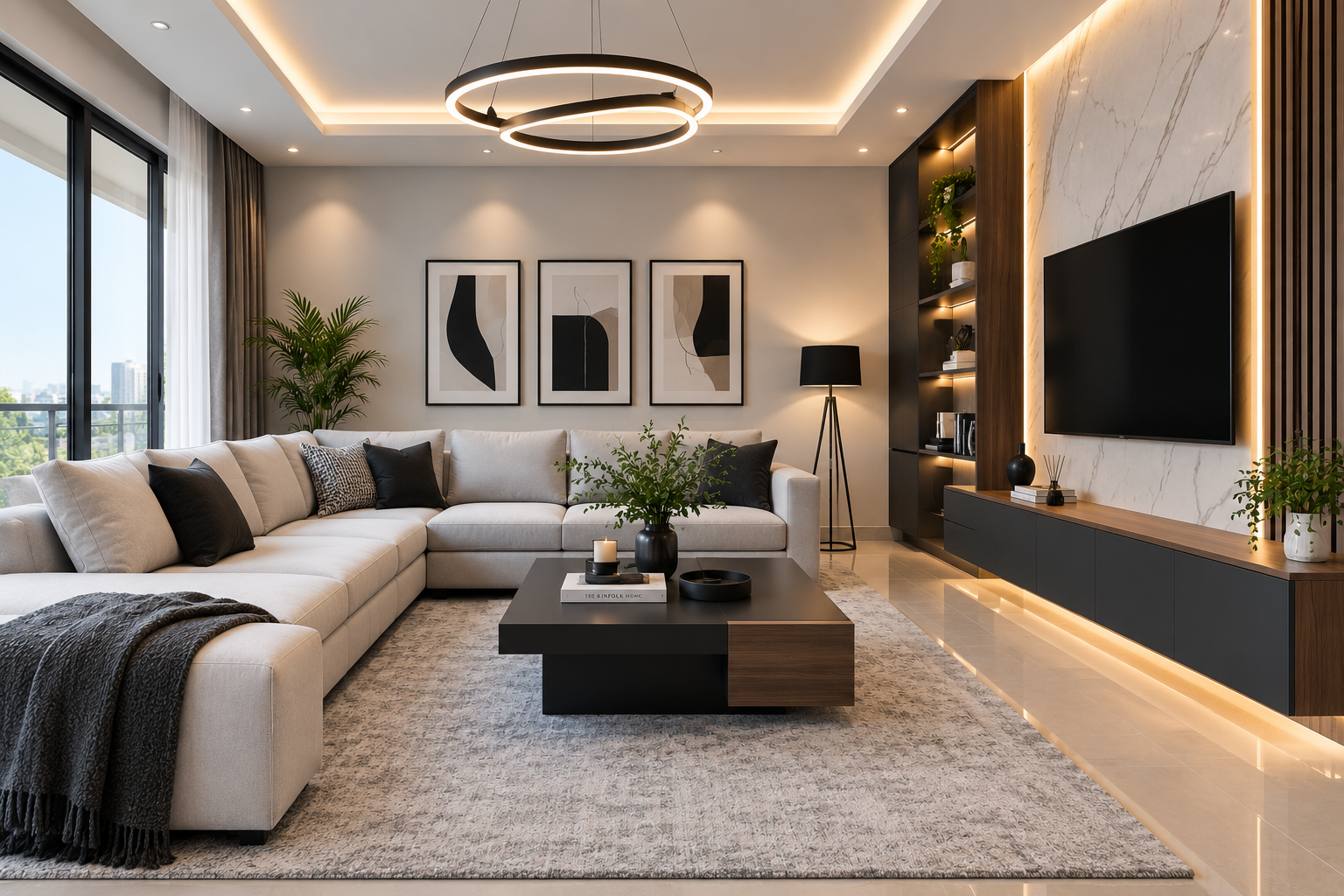
This is one of the more misunderstood interior design styles, mostly because the word "modern" gets used casually to mean anything new. True modern design refers to a specific aesthetic born from the Bauhaus and mid-century movements: minimal ornamentation, functional furniture, and a neutral palette occasionally broken up with a single bold accent color. Think exposed structural elements, large windows, and furniture that prioritizes clean geometry over decorative detail.
2. Contemporary
Short answer: Contemporary design reflects whatever is current right now, which means it constantly evolves, unlike modern design, which is tied to a specific historical period.
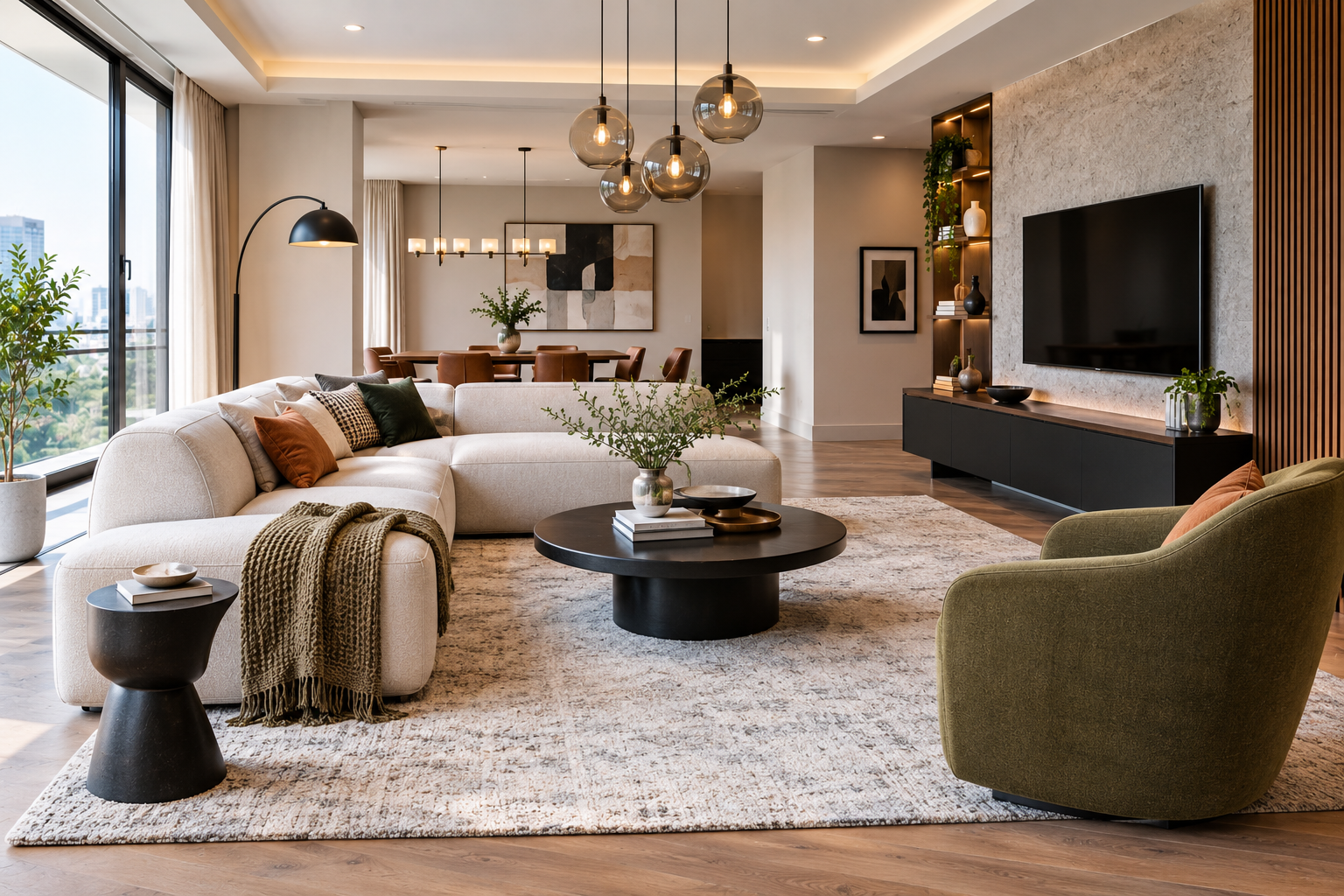
The confusion between modern and contemporary is one of the most searched questions in this space, and the distinction genuinely matters. Where modern design is frozen in its mid-century roots, contemporary design borrows from whatever is trending, sometimes minimalist, sometimes curved and soft, sometimes leaning industrial. It tends to favor neutral backdrops with a few current, statement pieces, and it's a natural fit for homeowners who like to refresh their space every few years rather than commit to one fixed look.
3. Minimalist
Short answer: Minimalist design strips a room down to only what's functional or meaningful, using a tight, neutral palette and negative space as a design element in its own right.
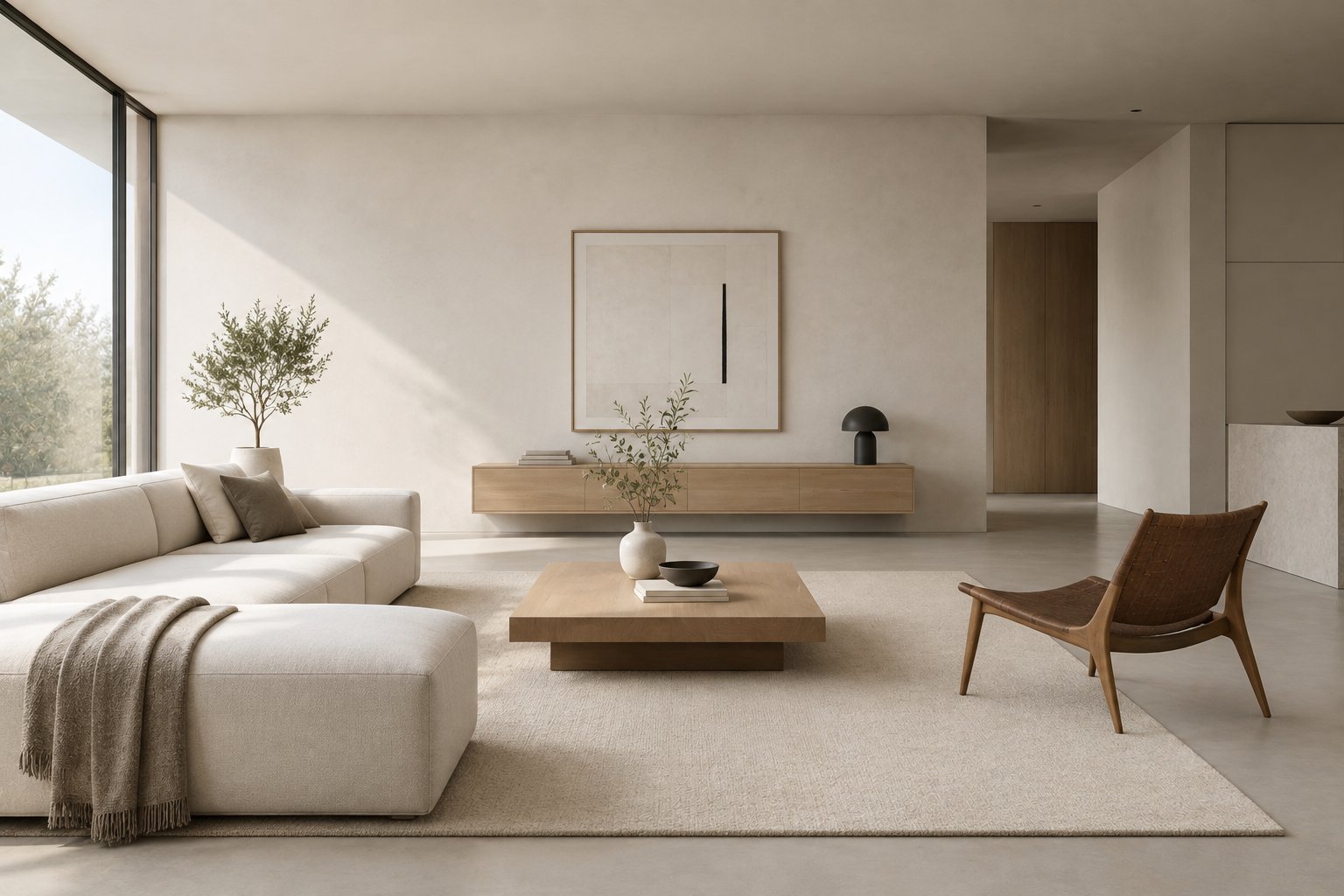
Minimalism isn't about having an empty room, it's about intentional editing. Every piece of furniture earns its place, storage is built in rather than visible, and clutter is treated as the enemy of a calm space. This style pairs especially well with a smaller footprint, since a tighter space reads as more spacious when it's not competing with excess stuff.
4. Scandinavian
Short answer: Scandinavian design combines minimalist simplicity with warmth, using light wood, soft textiles, and plenty of natural light to keep a pared-back room from feeling cold.
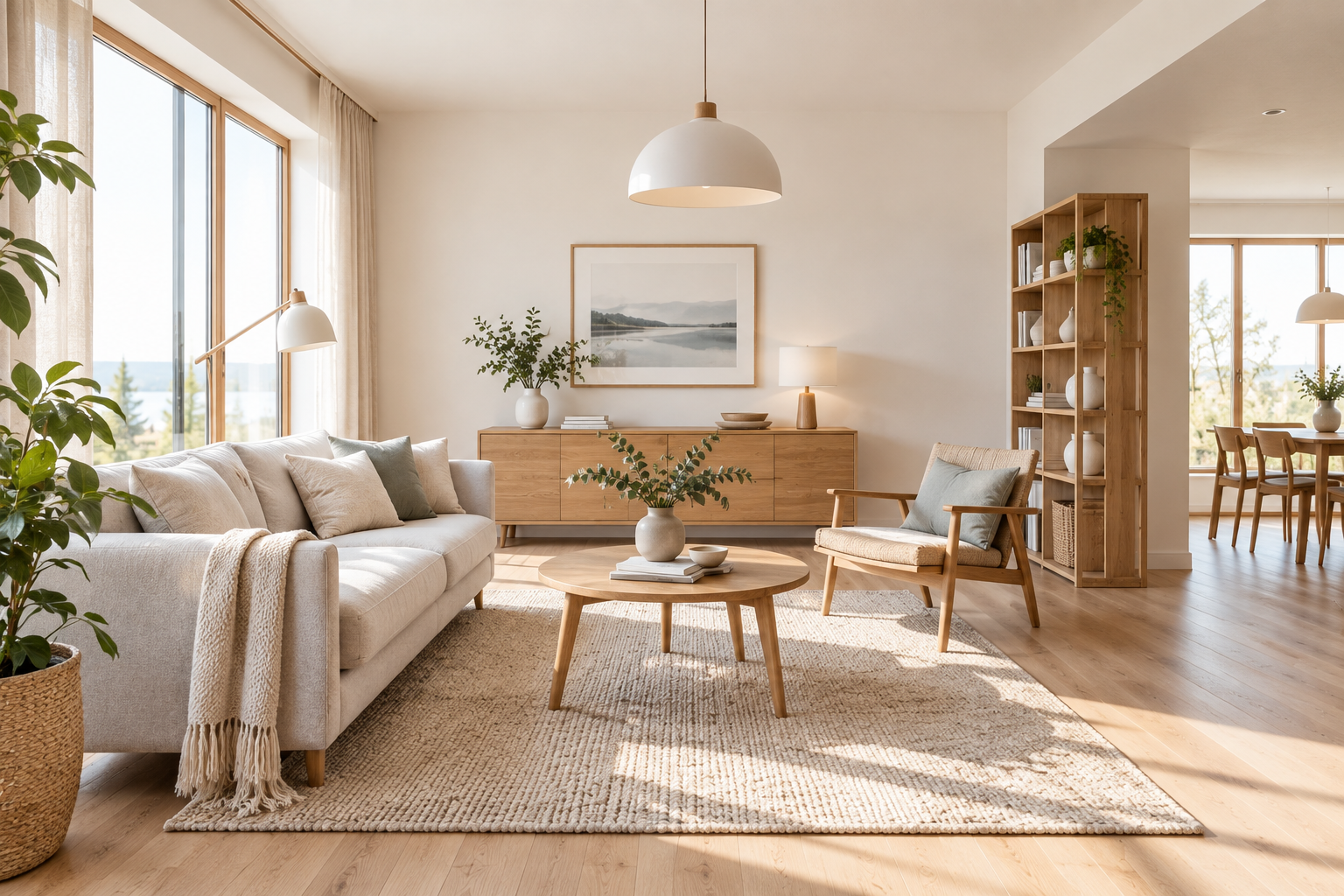
Scandinavian design shares minimalism's restraint but softens it considerably. Think pale wood floors, white or soft pastel walls, and layered wool throws or sheepskin over otherwise simple furniture. The Scandinavian concept of hygge, a sense of cozy contentment, shows up constantly in this style through candles, soft lighting, and textures you actually want to touch, which is what keeps it from reading as sparse or unfinished the way pure minimalism sometimes can.
5. Industrial
Short answer: Industrial design leans into raw, unfinished materials like exposed brick, ductwork, and metal, drawing directly from converted factory and warehouse spaces.
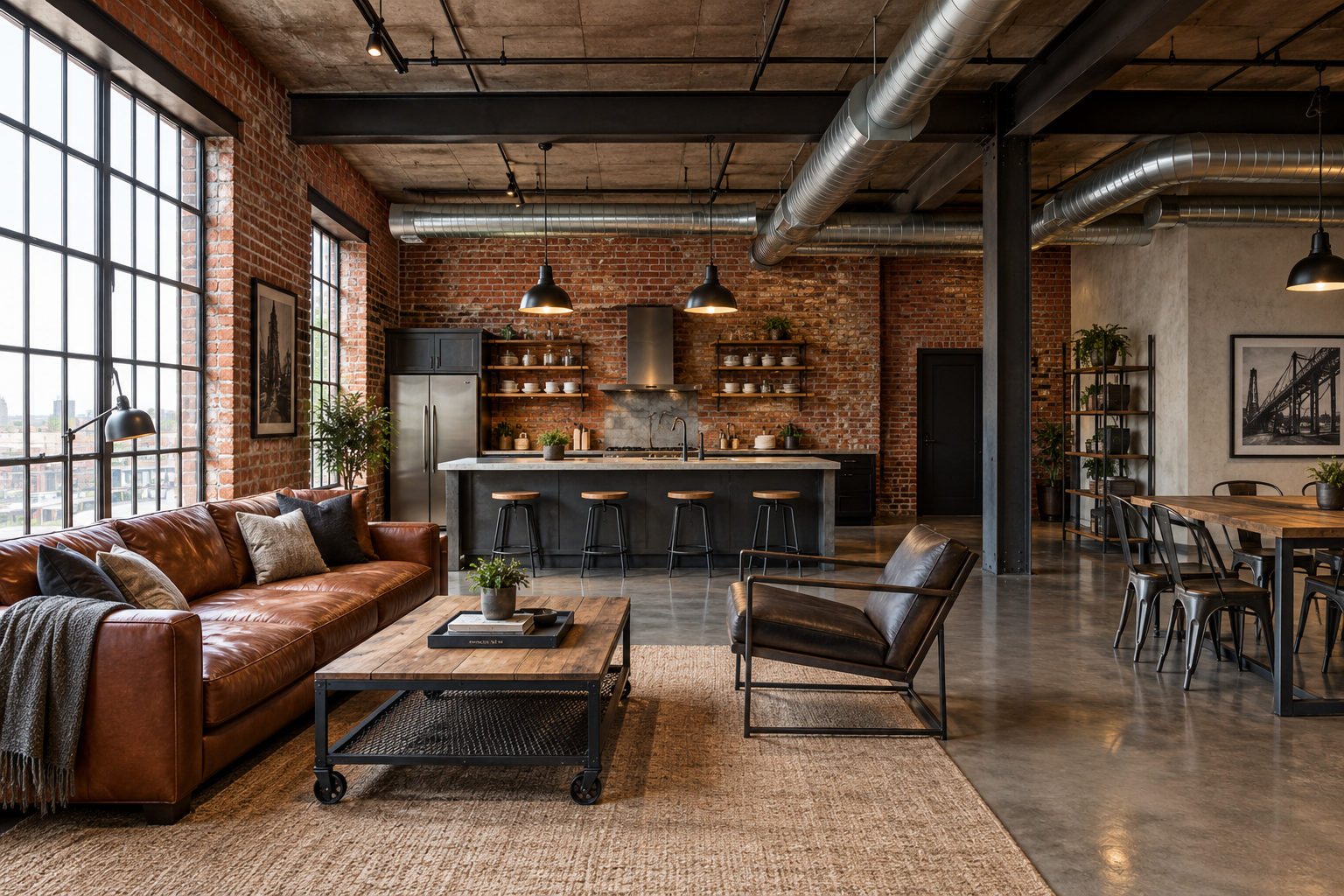
This style genuinely originated from necessity, early loft conversions kept exposed pipes and structural beams because covering them was expensive, and the aesthetic stuck. Industrial spaces favor a dark, moody palette (black, charcoal, deep brown) against raw materials: concrete floors, exposed brick walls, black metal light fixtures, and leather furniture that ages well rather than staying pristine. It works best in a space with genuine architectural bones to show off rather than one where the exposed elements would need to be faked.
6. Traditional
Short answer: Traditional design draws from 18th and 19th century European decor, favoring symmetry, rich wood furniture, and classic patterns like florals, damask, and stripes.
Traditional rooms tend to feel formal and layered: matching furniture pairs, coordinated window treatments, and a deeper, richer color palette than most other styles on this list. Crown molding, wainscoting, and other architectural details are common, and the overall effect leans elegant rather than casual. This is one of the more timeless interior design styles, largely because it doesn't chase trends the way contemporary design does.
7. Transitional
Short answer: Transitional design blends traditional furniture shapes with a more contemporary, neutral color palette, splitting the difference for homeowners who want warmth without full formality.
This is a genuinely useful middle ground for people who find pure traditional too stiff and pure modern too cold. Transitional rooms typically pair classic furniture silhouettes with clean-lined, simpler upholstery and a calmer, more neutral palette than a fully traditional room would use. It's one of the more forgiving styles to mix pieces within, since it's already designed to blend two aesthetics rather than commit fully to one.
8. Farmhouse
Short answer: Farmhouse design combines rustic materials like reclaimed wood and shiplap with a mostly white and neutral palette, built around a lived-in, practical feel rather than polish.
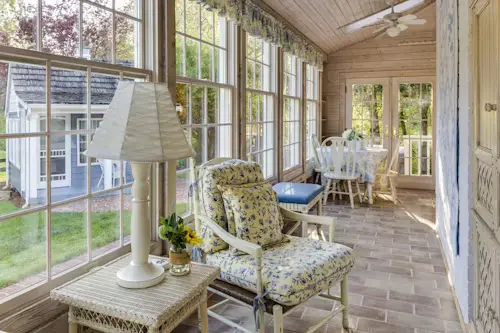
Farmhouse style exploded in popularity over the past decade, and the modern farmhouse variation in particular leans into that white-and-wood combination with black metal accents and simple, functional furniture. Shiplap walls, open shelving, and apron-front sinks are hallmark features, and the style photographs especially well in kitchens, which is a big part of why it's stayed popular even as other trends have cycled through.
9. Rustic
Short answer: Rustic design celebrates raw, natural materials in their most unpolished form, think rough-hewn wood beams and stone, favoring an earthy, cabin-like warmth over refinement.
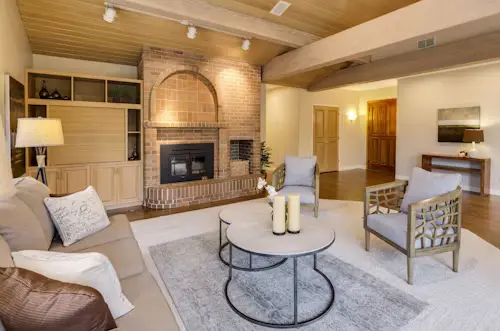 Where farmhouse style is often quite polished despite its "worn" aesthetic, true rustic design embraces genuine imperfection: visible wood grain, natural stone, and furniture that looks handmade rather than manufactured. The palette stays firmly in earth tones, browns, deep greens, warm oranges, and it works especially well in homes with real architectural rusticity to lean into, like exposed beams or a stone fireplace, rather than a room trying to manufacture that feeling from scratch.
10. Bohemian
Short answer: Bohemian, or boho, design layers pattern, texture, and global influences freely, prioritizing personal collection and eclectic mixing over any single coordinated color scheme.
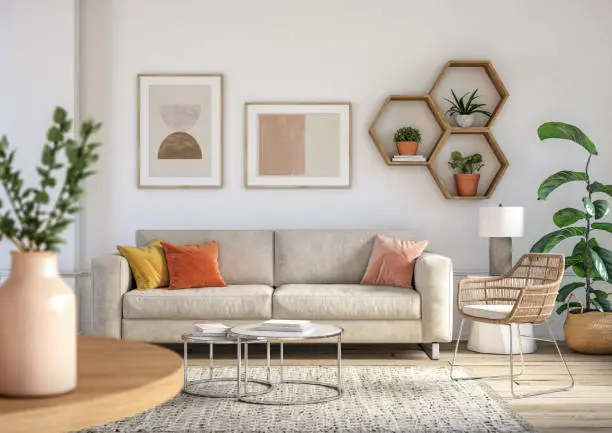
Bohemian rooms tend to look like they were assembled over years rather than a single shopping trip, and that's intentional. Rattan furniture, macrame wall hangings, layered rugs, and plants in abundance are all hallmarks, along with a willingness to mix patterns and colors that wouldn't work in almost any other style on this list. It's one of the more forgiving interior design styles for someone who already owns an eclectic mix of furniture and doesn't want to start over, since boho design is built around incorporating what you already have rather than replacing it.
11. Mid-Century Modern
Short answer: Mid-century modern design revives the furniture and aesthetic of the 1940s through 1960s, known for tapered wood legs, organic curves, and a warm mustard-and-olive color palette.
This style has had a long, steady resurgence, largely because the furniture itself was built to be functional and durable, which means original and reproduction pieces both hold up well decades later. Walnut and teak wood, clean geometric shapes softened with organic curves, and a palette built around mustard, burnt orange, and olive green are the clearest identifiers. It pairs naturally with both traditional and more contemporary elements, which is part of why it's stayed so popular for mixing rather than committing to a whole-house look.
12. Coastal
Short answer: Coastal design uses a light, breezy palette of whites, blues, and sandy neutrals with natural materials like linen and light wood to evoke a relaxed, beach-adjacent feel.
Coastal style shares some DNA with Scandinavian design (light, airy, natural materials) but leans more directly into ocean-inspired color and texture: rope details, woven textures, and blue tones ranging from pale sky to deeper navy accents. It works well in sun-filled rooms where the natural light can carry the airy feel the style depends on, and it tends to fall apart a bit in darker, north-facing rooms where the palette can start to feel washed out rather than breezy.
13. Mediterranean
Short answer: Mediterranean design draws from Spanish, Italian, and Greek influences, using warm terracotta tones, wrought iron details, and textured stucco or plaster finishes.
This is a warmer, richer cousin of coastal style, built around sunbaked color: terracotta, deep gold, ocean blue, and olive green, paired with wrought iron light fixtures, arched doorways where architecture allows, and patterned tile as an accent rather than a full floor treatment. It suits warm-climate homes particularly well, both aesthetically and practically, since many of the traditional Mediterranean materials (stucco, tile, stone) were originally chosen for their ability to stay cool.
14. French Country
Short answer: French country design combines rustic, weathered furniture with romantic, soft details like toile fabric and floral patterns, landing somewhere between rustic and traditional.
This style pulls from countryside French farmhouses: distressed wood furniture, soft blues and creamy whites, and fabric patterns like toile or small florals that keep the overall feel romantic rather than purely rustic. It shows up frequently in kitchens and dining rooms, where a farmhouse table paired with mismatched, weathered chairs captures the "collected over generations" feeling the style is built around.
15. Art Deco
Short answer: Art deco design is bold and glamorous, built around geometric patterns, rich jewel tones, and luxe materials like brass, mirrored glass, and velvet.

Art deco stands apart from nearly everything else on this list in its willingness to be dramatic. Sunburst patterns, bold black-and-gold color combinations, and glossy, reflective surfaces define the look, which traces back to the 1920s and 30s. It rarely works as a whole-house style for most homeowners today, but as an accent in an entryway, powder room, or bar area, it makes a genuinely memorable statement without overwhelming the rest of a more neutral home.
How to Choose an Interior Design Style That Actually Fits You
Short answer: Start by noticing what you're already drawn to in photos you save, then check it against how you actually live day to day, not just how a room looks in a picture.
The easiest way to identify your style isn't picking from a list, it's noticing patterns in what you've already saved to a mood board or a folder of inspiration photos. Do the rooms you keep coming back to lean warm or cool? Cluttered and layered, or clean and sparse? From there, weigh that instinct against practical reality: a bohemian look full of textiles and open shelving is hard to keep livable with young kids, and a stark minimalist space can feel unwelcoming if you actually want a home that feels cozy to relax in.
How to Mix Two Styles Without It Looking Like a Mistake
Short answer: Pick one style as the dominant base (roughly 70 to 80 percent of the room) and let the second style show up only in accents, so the mix reads as intentional rather than accidental.
Most real homes aren't a pure example of a single style, and that's fine as long as the mixing is deliberate. Transitional design is essentially built on this principle already, but the same logic works for any combination: modern furniture with a few traditional accessories, or a mostly Scandinavian room warmed up with a handful of bohemian textiles. The mistake to avoid is splitting a room 50/50 between two very different styles, which tends to read as indecisive rather than curated.
Frequently Asked Questions
What is the most popular interior design style right now?
Modern farmhouse and transitional design have both stayed consistently popular for years, largely because they're flexible enough to work in most home layouts and don't feel as tied to a specific decade as styles like art deco or mid-century modern.
What's the actual difference between modern and contemporary design?
Modern design refers to a specific historical style rooted in the mid-20th century. Contemporary design simply reflects whatever is currently trending, which means it changes over time while modern design stays fixed.
What interior design style works best in a small home?
Minimalist and Scandinavian styles both tend to work well in smaller spaces, since their restrained color palettes and lack of visual clutter make a room feel larger than it is.
Which interior design styles are considered timeless?
Traditional, transitional, and mid-century modern have all held up well over decades without feeling dated, largely because they're built around quality materials and classic proportions rather than a specific passing trend.
Can I mix interior design styles in the same home?
Yes, and most homes are some kind of blend already. The key is picking one dominant style for the overall base and letting a second style show up in smaller accents rather than splitting a room evenly between two very different looks.
Conclusion
None of these 15 interior design styles is inherently better than another, the right one is simply whichever matches how you actually want to live in the space. Start with what genuinely draws your eye, be honest about how practical it is for your household, and don't feel locked into picking just one. Most of the best-looking, most livable homes borrow a little from two or three of these styles rather than following any single one to the letter, and that's exactly how a space ends up feeling personal instead of like a showroom.