

Introduction
If you've ever stood in your kitchen wondering why the fridge door hits the pantry, or why there's never enough counter space when you actually need it, you already know the short answer. The benefits of kitchen remodeling go far beyond looks. A well-planned renovation fixes the daily friction points in your layout, adds usable storage, lowers your energy bills, and can meaningfully raise your home's resale value, all while giving the room a style that finally feels like yours.
That said, "it looks nicer" is only a small part of the story. Below, we've broken down the real, practical benefits of kitchen remodeling, what it typically costs, how long it takes, and a few things most kitchen blogs gloss over, including what to do if your kitchen is small and how to avoid overspending on upgrades that won't pay you back.
Quick Answer
A kitchen remodel improves functionality, storage, safety, energy efficiency, and home value, while also giving you a space that matches how your household actually lives and cooks. Minor, cosmetic-focused remodels tend to deliver the strongest return, while full gut renovations cost more but solve bigger structural or layout problems.
1. It Fixes a Kitchen That Fights You Every Day
A remodel corrects an inefficient layout, so you stop working around your kitchen instead of working with it.
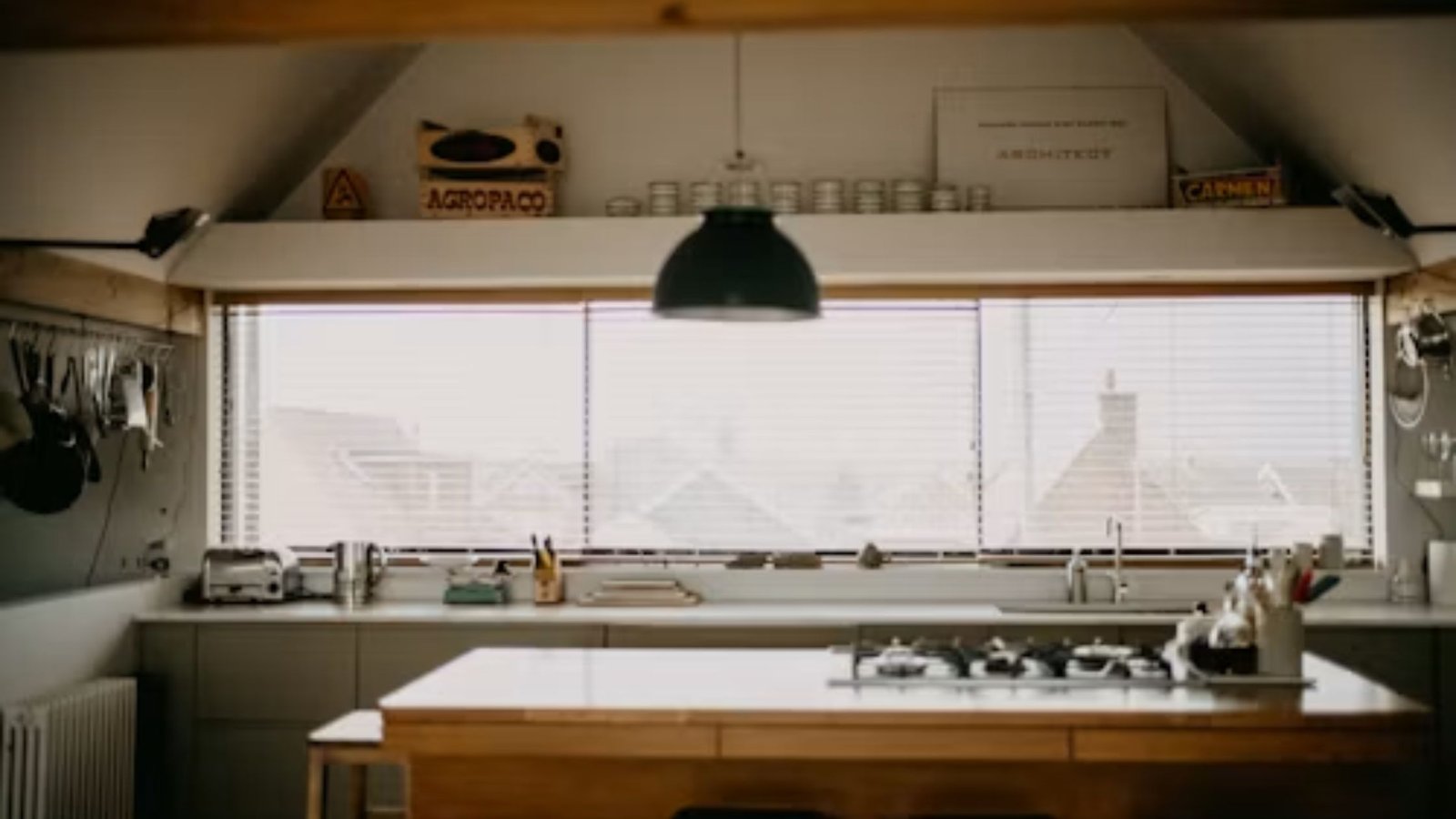
Most outdated kitchens weren't designed for how people actually cook and live now. Designers still talk about the classic work triangle, the path between your sink, stove, and refrigerator, because when that triangle is cramped or blocked, every meal takes longer. Remodeling lets you reset that flow entirely.
A few changes that make the biggest difference in day-to-day workflow:
- Widening walkways so two people can cook without colliding
- Adding a kitchen island or peninsula to create a second prep zone
- Relocating the stove or sink to shorten the distance between them
- Installing drawer organizers and pull-out shelving so tools are within reach
- Choosing built-in appliances that free up floor space
None of this is cosmetic. It's the difference between a kitchen that slows you down and one that just works. If you're still mapping out what your ideal layout looks like, our Kitchen section has more layout and storage inspiration to browse before you commit to a floor plan.
2. It Gives You Storage You Actually Use
Remodeling lets you design storage around what you own, instead of squeezing your stuff into whatever cabinets came with the house.
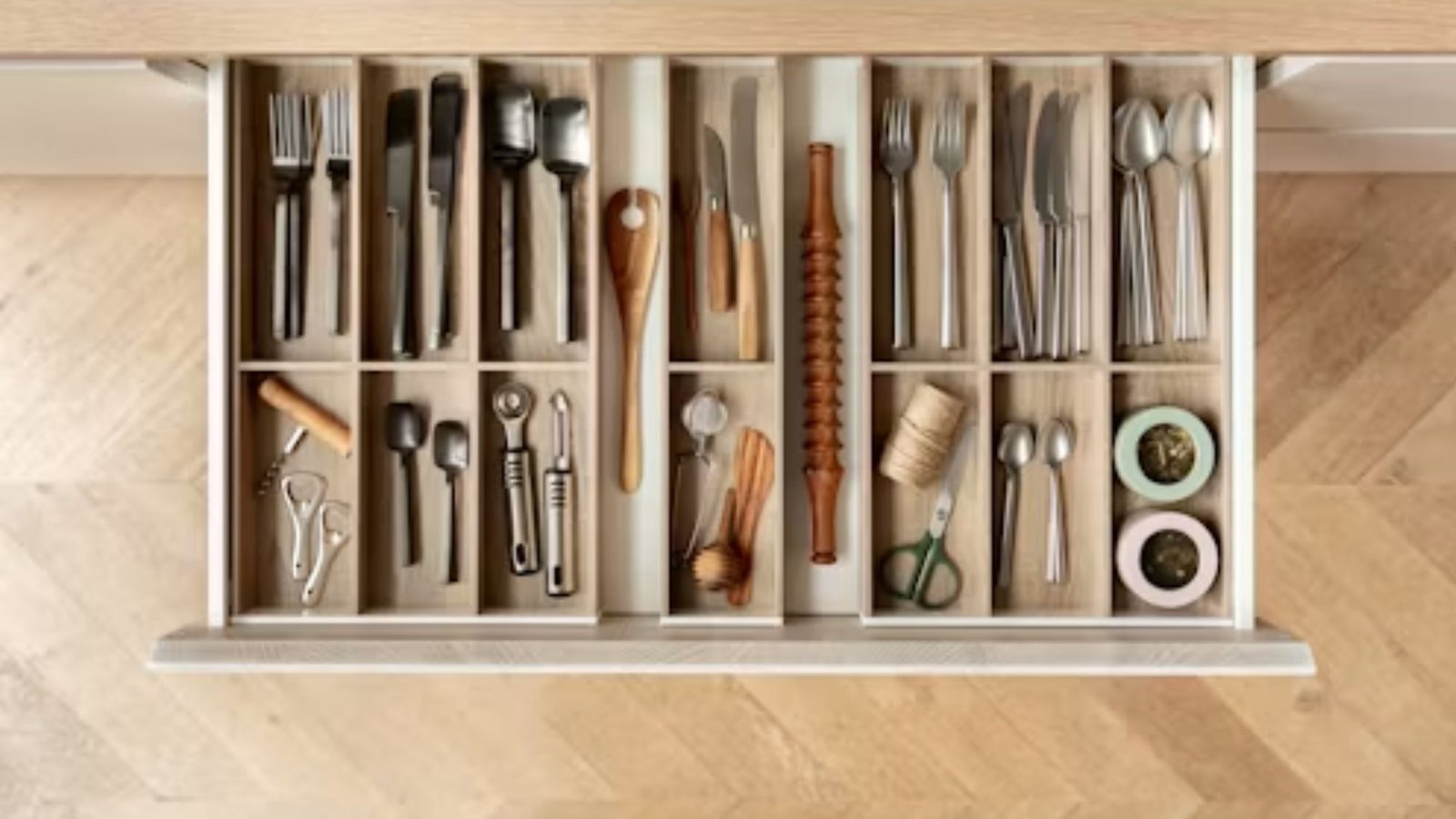
Older kitchens tend to have deep, awkward cabinets with wasted corner space and not nearly enough drawers. A renovation is your chance to rebuild storage from scratch: pull-out pantry shelves, vertical dividers for baking sheets, deep drawers instead of lower cabinets, and a dedicated spot for small appliances so the counters stay clear.
Better storage capacity doesn't just look tidier. It genuinely changes how you cook, because you're not digging through three cabinets to find the one pan you need.
3. It Can Raise Your Home's Value, Though Not Evenly
A kitchen remodel is consistently one of the better home investments, but how much you recoup depends heavily on the scope of the project.
This is the part most articles oversimplify. Cost vs. value data changes year to year and by region, but the pattern has held up for a long time: smaller, cosmetic-focused updates tend to return a much higher percentage of their cost than full, high-end renovations do.
| Remodel Type | Typical Cost Range | General Resale Return |
|---|---|---|
| Minor / cosmetic remodel (refaced or painted cabinets, new hardware, countertops, appliances, backsplash) | Roughly $20,000–$35,000 | Often 70%–100%+ of cost recouped |
| Major mid-range remodel (new cabinets, layout changes, updated plumbing/electrical) | Roughly $55,000–$90,000 | Often 50%–60% of cost recouped |
| Upscale, fully custom remodel (structural changes, premium materials and appliances) | $100,000 and up | Often 35%–50% of cost recouped |
Figures are general national industry estimates and vary by market, contractor, and home value, so treat them as a starting point rather than a guarantee.
The takeaway: if your main goal is resale value, a focused cosmetic refresh usually makes more financial sense than a full gut job. If your layout is genuinely broken or you're planning to stay put for years, a bigger renovation can still be worth it, just go in knowing it's more of a lifestyle upgrade than a pure investment.
4. It Lowers Your Utility Bills
Newer appliances and fixtures use noticeably less energy and water, which adds up on your monthly bills.

If your appliances are more than 10 years old, they're likely working harder than they need to. Swapping them out is one of the more overlooked benefits of a kitchen remodel:
- Energy-efficient refrigerators with better insulation and smart temperature controls
- Induction cooktops, which heat faster and waste less energy than standard electric coils
- High-efficiency dishwashers that use a fraction of the water older models do
- LED lighting, which draws far less power than older fixtures and lasts years longer
- Water-efficient faucets and low-flow fixtures that cut down on wasted water
None of these upgrades are flashy, but together they quietly lower your monthly costs and make the kitchen more sustainable.
5. It Makes the Kitchen Safer for Everyone in the House
A remodel lets you correct the hazards a lot of homeowners just learn to live around, like dim lighting, sticking drawers, and awkward outlet placement.

Safety rarely gets top billing in kitchen remodeling articles, but it's a real, practical benefit. Better task lighting reduces the odds of a cutting-board accident. Soft-close drawers and cabinets mean fewer pinched fingers. Updated electrical work means outlets that are actually placed where you need them, not wherever the original builder put them decades ago.
This matters even more if you're planning to age in place or have young kids or aging parents in the house. A few accessibility-focused touches worth considering:
- Lower or adjustable-height counters and open space under a section of counter for seated prep
- Wider walkways (at least 36 inches, more if a wheelchair or walker needs to pass through)
- Pull-down shelving in upper cabinets so nothing requires a step stool
- Lever-style faucet handles instead of twist knobs
- Slip-resistant flooring, especially near the sink
These are the kind of details that don't show up in glossy before-and-after photos but make a real difference in daily comfort and safety.
6. It Clears the Air, Literally
A proper range hood and updated ventilation remove cooking smoke, grease, and odors instead of letting them linger.
Poor ventilation is one of those problems people just get used to. If your kitchen still smells like last night's dinner the next morning, that's not a candle problem, it's an airflow problem. A remodel is the natural time to install a stronger exhaust hood, improve ductwork, and choose materials that don't trap odors and grease the way older laminate and grout can. Cleaner air in the kitchen means a fresher home overall, and it's especially worth prioritizing if anyone in the household has allergies or asthma.
7. It Finally Looks Like You
Remodeling replaces a generic, builder-grade kitchen with one that reflects your own taste, from cabinet color to hardware finish.
There's a real emotional benefit here that's easy to underestimate. A kitchen you actually like walking into changes how you feel about being in your own home. Whether that means warm wood cabinetry and brass hardware, or a clean, minimal all-white look with quartz counters, the point is the same: your kitchen should feel like it belongs to you, not to whoever built the house 20 years ago.
8. It Turns the Kitchen Into a Gathering Spot Again
A more open, functional layout naturally pulls people into the kitchen, instead of everyone scattering to other rooms.
Kitchens have quietly become the default gathering room in most homes. Kids do homework at the island, guests end up leaning on the counter while dinner cooks, and holidays somehow always gravitate toward the kitchen no matter how nice the living room is. A remodel that adds seating at an island, opens a wall between the kitchen and dining area, or simply creates enough breathing room for more than one person to move around comfortably tends to get used constantly, not just admired.
9. It Cuts Down on Maintenance
Modern, durable materials hold up better and need less upkeep than what they're replacing.
Quartz countertops resist stains and don't need annual sealing the way some natural stone does. Newer cabinet finishes shrug off fingerprints and water marks far better than old laminate. Tile or luxury vinyl flooring cleans up in seconds instead of trapping grime in worn grout lines. None of this is exciting to talk about, but "I spend less time scrubbing" is a real, ongoing benefit that shows up every single week, long after the renovation itself is finished.
10. Small Kitchen? Remodeling Still Works in Your Favor
A small kitchen benefits from a remodel just as much as a large one, the priorities just shift toward smart storage and visual space rather than square footage.
This is one spot a lot of kitchen remodeling guides skip over, but plenty of homeowners aren't working with a sprawling floor plan. If your kitchen is on the smaller side, a few strategies tend to make the biggest impact:
- Light-colored cabinets and countertops to make the room feel more open
- Vertical storage, tall cabinets that use ceiling height instead of just floor space
- A narrow rolling cart or slim island instead of a full-size one
- Open shelving in place of a few upper cabinets, for a less boxed-in feel
- Glass or mirrored backsplash to bounce light around the room
A small kitchen doesn't need a bigger footprint to feel dramatically better, it needs a layout that stops wasting the space it already has. A few of these, like open shelving or a rolling cart, are genuinely weekend-friendly projects if you'd rather handle them yourself; our DIY & Projects guides walk through several of them step by step.
What a Kitchen Remodel Actually Costs and How Long It Takes
Most kitchen remodels run anywhere from a few thousand dollars for a cosmetic refresh to well over $80,000 for a full renovation, and take anywhere from a few weeks to several months depending on scope.
| Project Scope | Rough Cost | Rough Timeline |
|---|---|---|
| Cosmetic refresh (paint, hardware, new countertops) | $5,000–$20,000 | 2–6 weeks |
| Minor remodel (refaced cabinets, new appliances, flooring) | $20,000–$35,000 | 6–10 weeks |
| Major mid-range remodel (new cabinets, some layout changes) | $55,000–$90,000 | 3–6 months |
| Full custom renovation (structural changes, premium finishes) | $100,000+ | 6–8 months or more |
A few things that quietly stretch a timeline: custom cabinet orders can take 6 to 16 weeks to arrive on their own, countertops need to be templated after cabinets are installed (adding another week or two), and permit approval can add several weeks depending on your city. Planning ahead and ordering materials early is the single biggest thing that keeps a project on schedule. If your kitchen is one piece of a larger renovation, our Home Maintenance hub covers room-by-room budgeting for a whole-home project.
How to Choose a Kitchen Remodeling Contractor
Look for a licensed, insured contractor with recent local kitchen projects you can actually see, and get at least three itemized quotes before signing anything.
A few questions worth asking before you commit:
- Can I see photos or visit a kitchen you finished in the last year?
- Is the quote itemized, or is it one lump number?
- Who pulls the permits, you or the contractor?
- What's the realistic timeline, including material lead times?
- What happens if we hit an unexpected issue behind the walls?
A contractor who answers these clearly and doesn't rush you is usually a good sign. One who avoids specifics or pressures you to sign quickly is worth a second look elsewhere.
Frequently Asked Questions
Is kitchen remodeling worth the investment?
For most homeowners, yes, especially at the minor-to-mid-range level. You get daily quality-of-life improvements immediately, and a well-scoped project typically recoups a solid share of its cost at resale. Upscale, fully custom remodels are worth it for comfort and enjoyment, but they usually recoup a smaller percentage.
Should I remodel my kitchen before selling my home?
Often a light, cosmetic update, paint, hardware, countertops, and a deep clean, makes more sense before a sale than a full renovation. Buyers respond strongly to a kitchen that looks clean and current, but a major remodel right before listing rarely earns back its full cost in the short window before a sale.
Does kitchen remodeling improve energy efficiency?
Yes. Replacing old appliances, lighting, and fixtures with efficient models is one of the more measurable benefits of a kitchen remodel, and it shows up directly in lower monthly utility bills.
How much does kitchen remodeling cost?
It ranges widely, from around $5,000 for a cosmetic refresh to well over $100,000 for a full custom renovation. Most homeowners land somewhere between $20,000 and $55,000 depending on how much of the layout and cabinetry actually changes.
What's the best time of year to remodel a kitchen?
Late fall through winter tends to have shorter contractor wait times in many areas, since spring and summer are peak renovation seasons. That said, material lead times matter more than season, so start planning as early as possible regardless of when construction begins.
Final Thoughts
At the end of the day, the benefits of kitchen remodeling come down to one simple idea: your kitchen should work for how you actually live, not how someone else designed it decades ago. Whether that means a full layout overhaul, new appliances and better lighting, or just fresh countertops and a coat of paint, the improvements tend to pay off in ways that go well beyond the finished photos, in fewer daily frustrations, lower bills, a safer space, and a kitchen you're genuinely glad to spend time in.