

Introduction
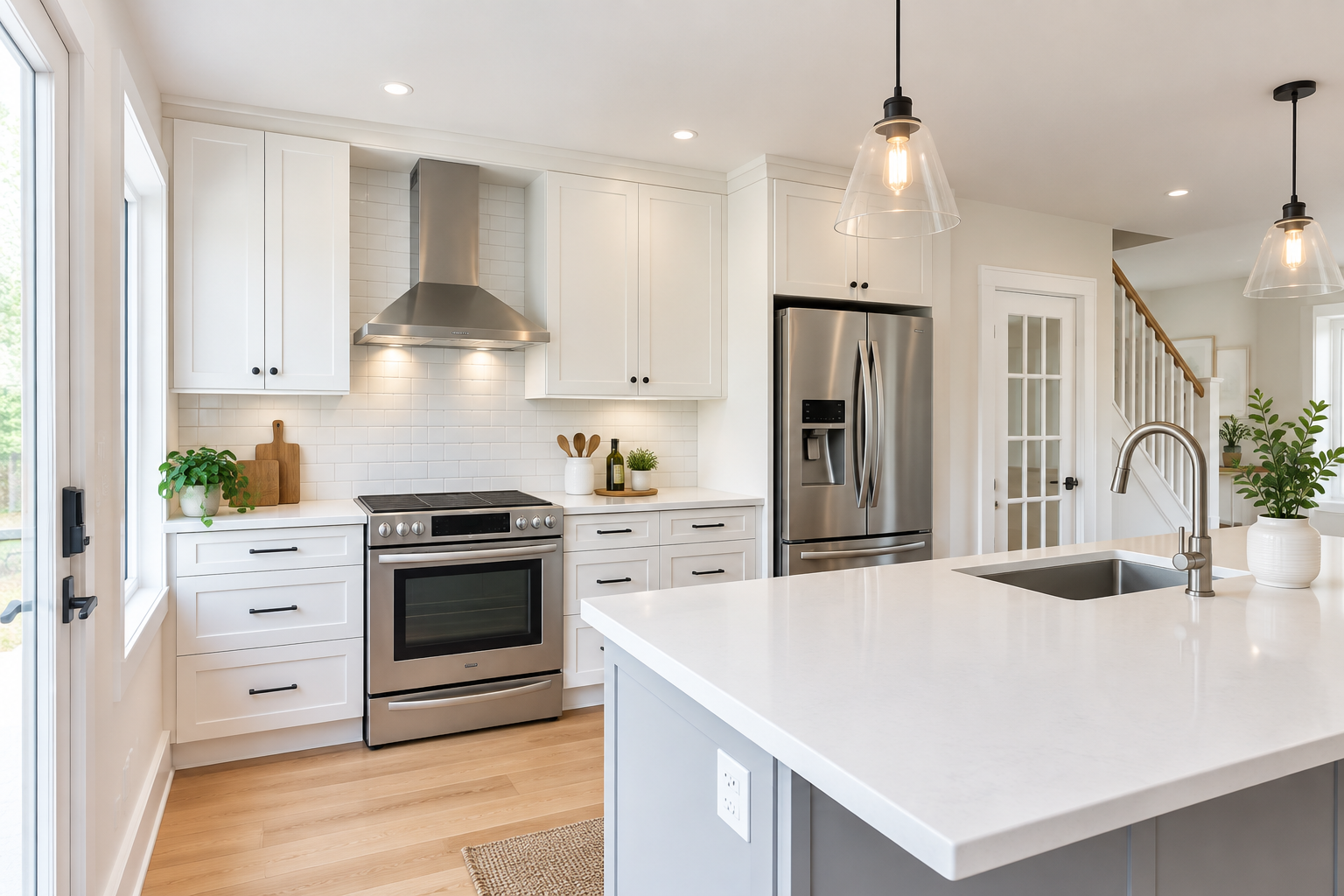
Cabinets take up more visual space than anything else in a kitchen, often sixty to seventy percent of what you actually see when you walk in, which is why the door style you pick ends up setting the tone for everything else, from the backsplash to the hardware to the lighting. The trouble is that kitchen cabinet styles get described in a confusing mix of terms: some names refer to the door profile, some to how the cabinet box is built, and others to a whole design mood like farmhouse or industrial. This guide separates those layers so you can compare like with like, and walks through 15 popular designs, the construction and material choices behind them, and the real cost differences that decide what fits your budget.
| Style | Look | Pairs Best With | Ease Of Cleaning | Relative Cost |
|---|---|---|---|---|
| Shaker | Recessed flat panel | Almost any kitchen | Moderate | $$ |
| Flat-panel (slab) | Smooth, no detailing
| Modern, minimalist | Very easy | $ to $$ |
| Raised-panel | Dimensional center panel | Traditional | Moderate | $$$ |
| Inset | Doors sit flush in frame | Traditional, farmhouse | Moderate | $$$$ |
| Beadboard | Vertical grooved slats | Cottage, coastal | Harder | $$ |
| Glass-front | Open-frame or glass panel | Accent cabinets | Two-step | $$$ |
| Louvered | Angled horizontal slats | Coastal, bohemian | Hardest | $$$ |
| Cathedral and arched | Curved top rail | Traditional, French country | Moderate | $$$ |
| Distressed | Aged, worn finish | Farmhouse, rustic | Forgiving | $$ |
| Furniture-style | Legs, trim, decorative feet | Traditional, luxury | Moderate | $$$$ |
| Farmhouse | Shaker or beadboard, warm neutrals | Family kitchens | Moderate | $$ |
| Craftsman | Simple frame, wood tones | Bungalows, transitional | Moderate | $$$ |
| Mid-century modern | Slab fronts, walnut tones | Retro-leaning kitchens | Easy | $$$ |
| Industrial | Metal accents, dark finishes | Lofts, urban homes | Easy | $$ |
| Coastal and cottage | Light paint, soft color | Sunny, casual kitchens | Moderate | $$ |
1. Shaker Kitchen Cabinets
Short answer: Shaker cabinets use a flat, recessed center panel inside a simple square frame, and they remain the most popular choice because they suit nearly every kitchen style from farmhouse to modern.
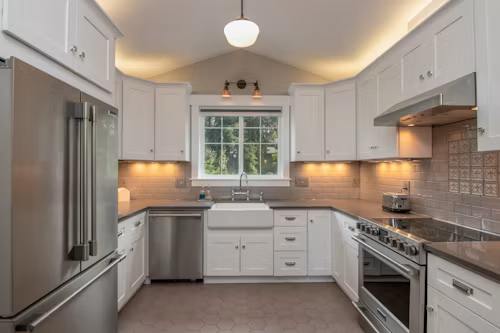
Of all the kitchen cabinet styles on this list, it is the one that shows up in the widest range of homes, because the design is restrained enough to avoid feeling dated and detailed enough to avoid feeling flat. Shaker doors accept almost any hardware finish, look good painted or stained, and are widely stocked, so pricing is usually competitive. The one trade-off is the recessed panel, which gathers a bit of dust and grease along the inner edge and needs a quick wipe with a soft cloth more often than a smooth door would.
2. Flat-Panel (Slab) Cabinets
Short answer: Flat-panel or slab cabinets have a single smooth surface with no framing or profile, giving a clean modern look that is also the easiest style to wipe down.
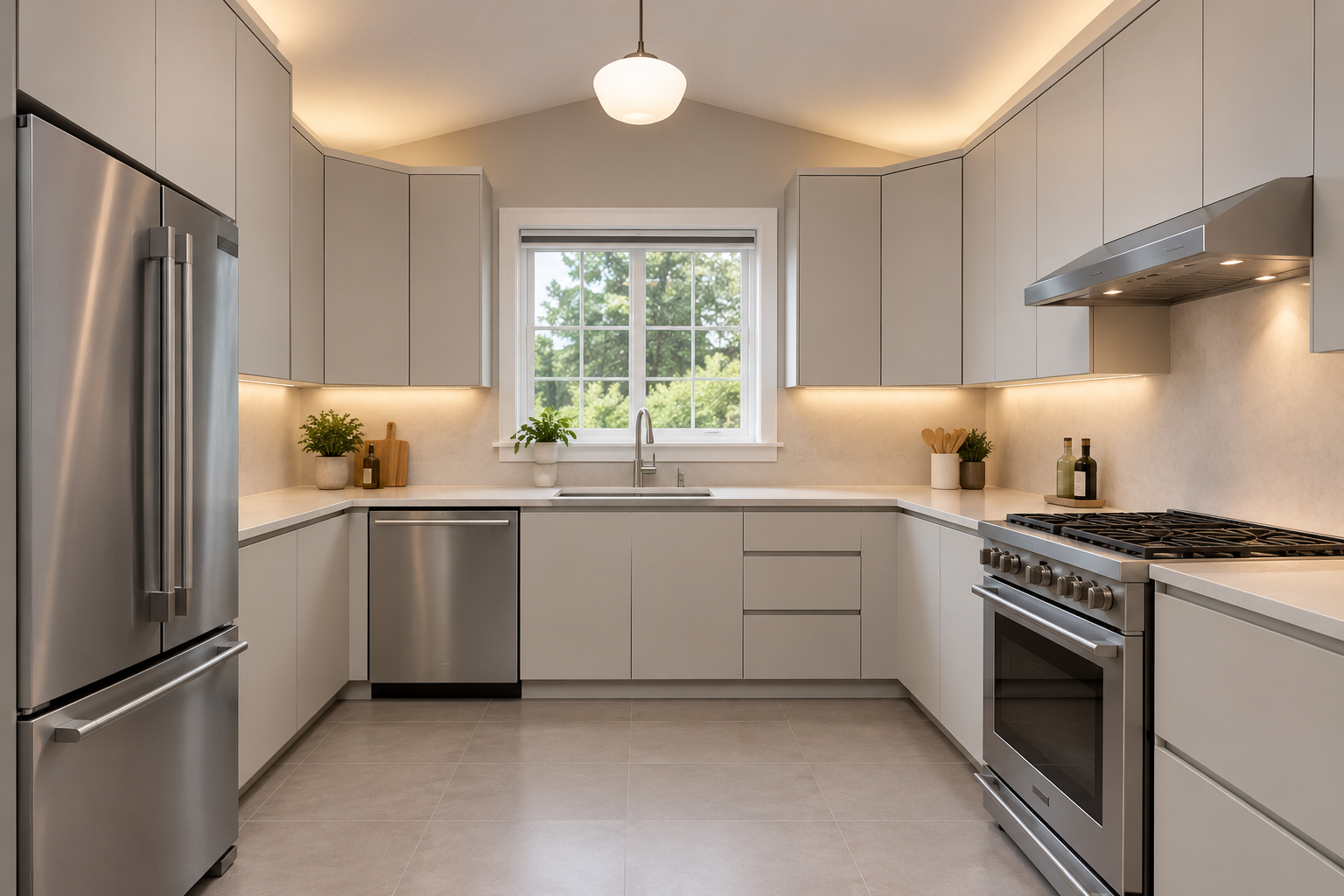
Because there is nothing to trap grime, slab doors are a favorite for busy family kitchens and minimalist designs alike. They lean on color, wood grain, or hardware for personality, so a plain slab door in a warm walnut veneer looks entirely different from the same door in matte green. Oversized bar pulls or push-to-open hardware suit this style well, and it combines easily with shaker doors if you want a mix of simple and slightly detailed fronts.
3. Raised Panel Kitchen Cabinets
Short answer: Raised-panel cabinets feature a center panel that sits proud of the frame, adding depth and a classic, formal look that fits traditional kitchens best.
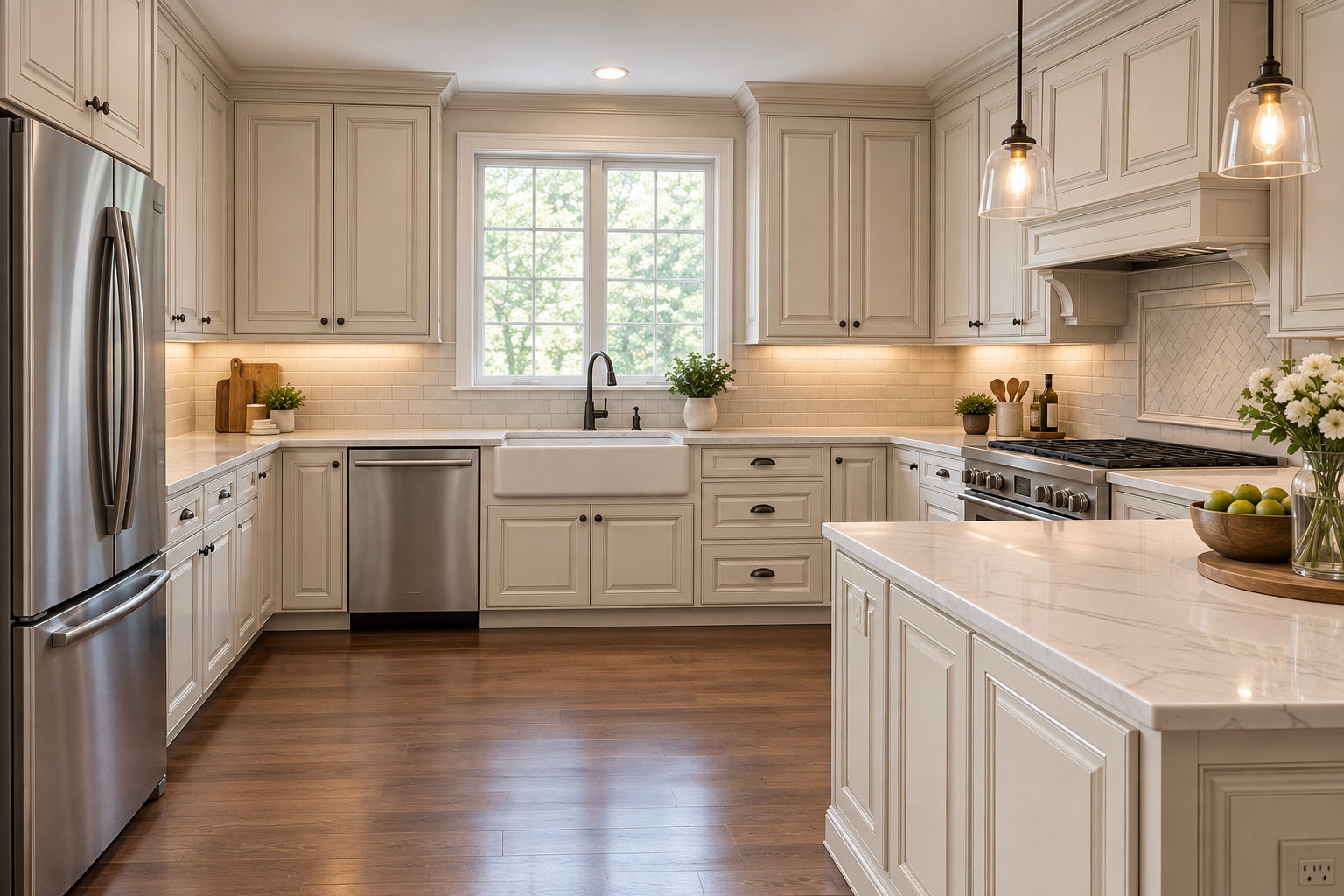
The added dimension means more visual detail and more surfaces that need cleaning, but it also means a more decorative result, especially in rich stains like cherry, espresso, or walnut. Raised-panel doors usually cost more than shaker because the profiles take more machining, and they are harder to find in frameless construction. If you like the traditional look but want it lighter, a painted cream or soft white raised-panel door feels more current than a dark stain.
4. Inset Kitchen Cabinets
Short answer: Inset cabinets place the doors inside the cabinet frame so they sit flush with the face, a precise, furniture-quality look that is also one of the most expensive to build.
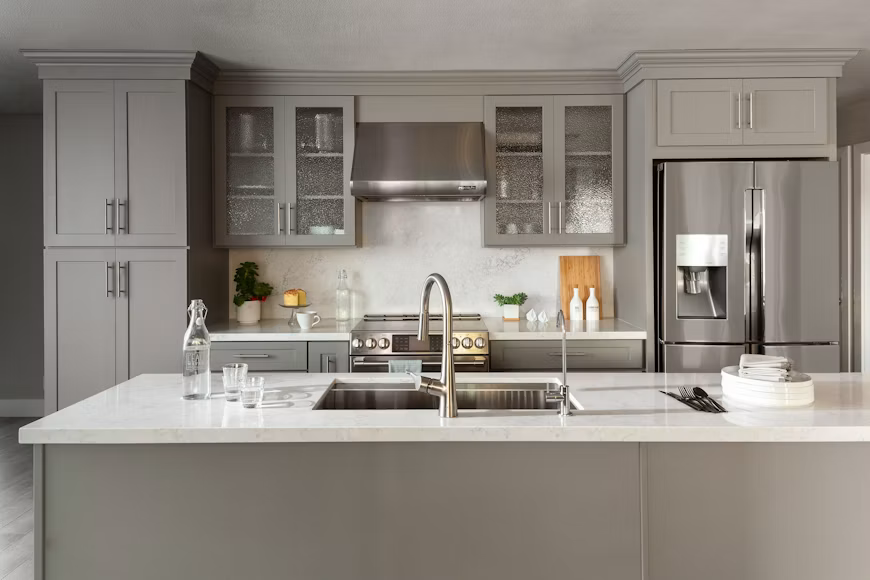
Inset construction demands tight tolerances, since even a small misalignment shows in the gaps around each door. That precision is exactly what gives inset kitchens their classic, custom appearance, and it is why they typically carry a higher price tag than overlay styles. Hinges are often visible, so choose finishes that match your pulls, or look for beaded inset versions if you prefer a more concealed look. Inset works beautifully in traditional and farmhouse kitchens where craftsmanship is part of the appeal.
5. Beadboard Kitchen Cabinets
Short answer: Beadboard cabinets have vertical grooved slats on the door face, which add texture and a relaxed cottage feel that suits casual and coastal kitchens.
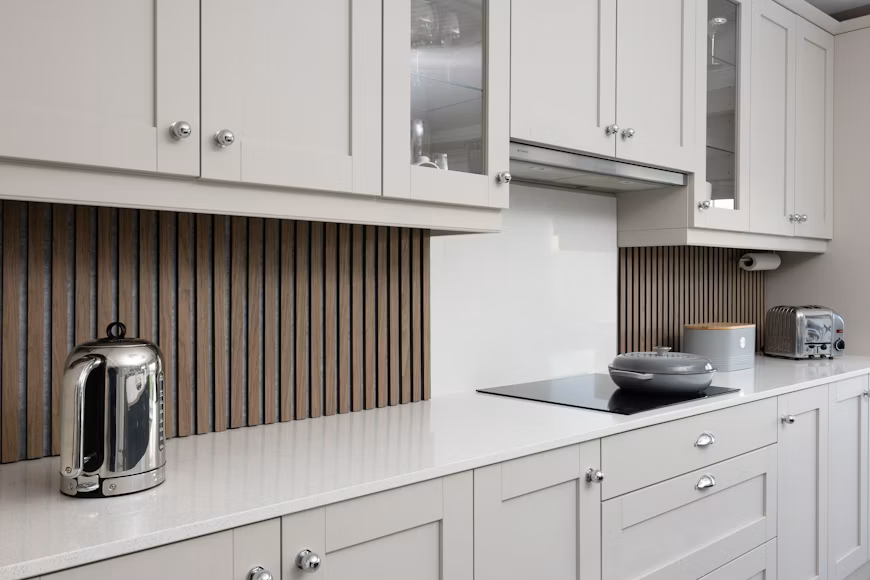
This style works well in smaller doses, such as an island or a run of base cabinets, rather than across an entire kitchen where the texture can start to feel busy. The grooves collect dust and are harder to clean than a smooth door, so it suits households that do not mind a slightly more hands-on cleaning routine. Paired with soft whites or pale blues, beadboard makes a kitchen feel light and collected.
6. Glass Front Kitchen Cabinets
Short answer: Glass-front cabinets let you display dishes and glassware behind a framed window of glass, and they work best as a few accent cabinets rather than throughout the whole kitchen.
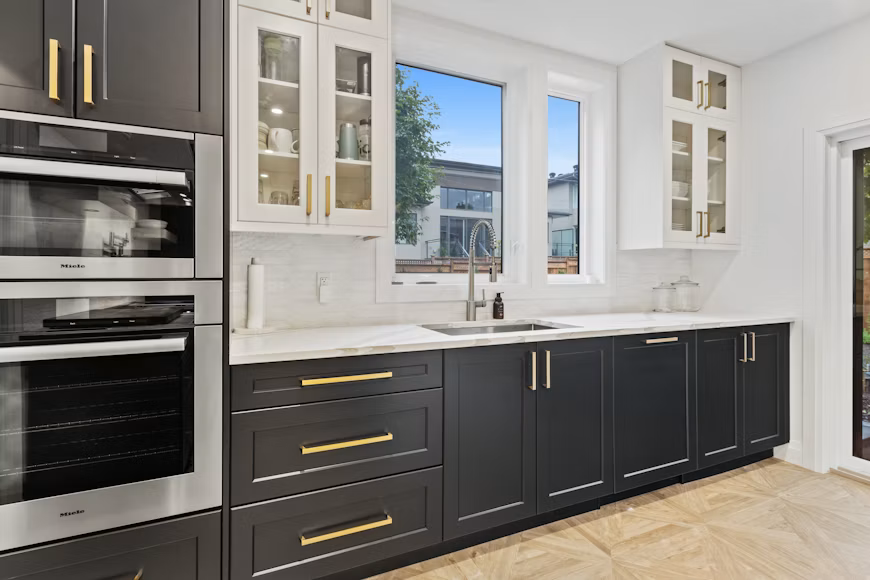
Used sparingly, they break up long runs of solid doors and make a room feel more open, especially when paired with interior lighting. Clear glass shows everything, so plan on keeping the shelves tidy, while seeded, reeded, or frosted glass softens the view if you would rather not display every mug. Glass fronts are usually a little pricier than solid doors and need a two-step clean, dust first and then a glass cleaner, to stay clear.
7. Louvered Kitchen Cabinets
Short answer: Louvered cabinets use angled horizontal slats that allow airflow and add strong texture, making them a good fit for coastal, tropical, or bohemian kitchens.
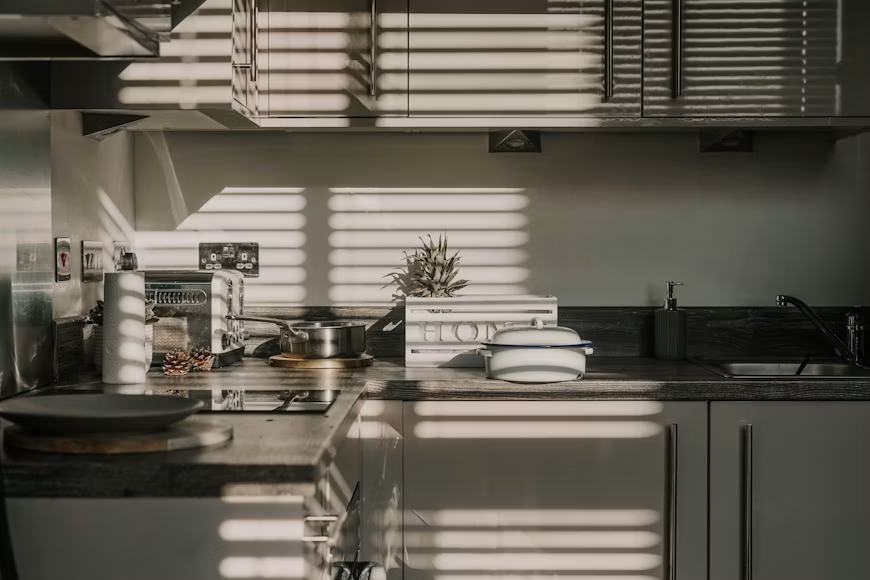
They are one of the more distinctive cabinet door styles, and they tend to work best on select cabinets like a pantry or base run rather than across the full kitchen. The slats are the hardest surface on this list to clean, since dust settles between each one, so they suit lower-use areas better than the cabinets right beside your stove where grease builds up fast.
8. Cathedral and Arched Kitchen Cabinets
Short answer: Cathedral cabinets have a stepped or curved top rail that forms an arch shape, adding a decorative, traditional detail that reads as classic or French country depending on the finish.
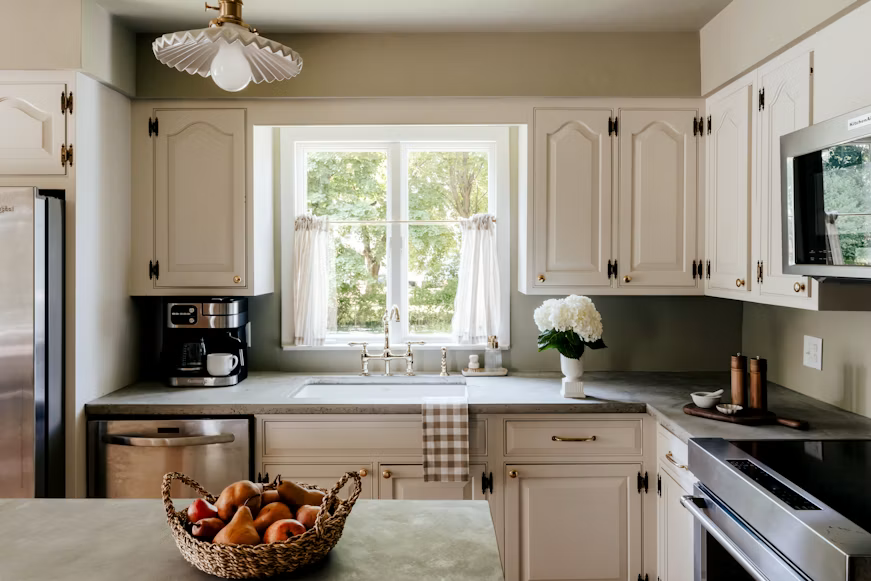
The arch draws the eye upward and softens the boxy look of a full wall of uppers. It is most common in traditional kitchens, and it is often paired with raised panels or glass inserts. Because the curved detailing adds machining time, expect a higher price than a straight-edged door, and be aware that the style is tied to a more classic look that can feel dated if paired with very modern finishes.
9. Distressed Kitchen Cabinets
Short answer: Distressed cabinets have an intentionally aged finish, with sanded edges, subtle scuffs, or glazing, and they are forgiving in busy households because new scratches blend in.
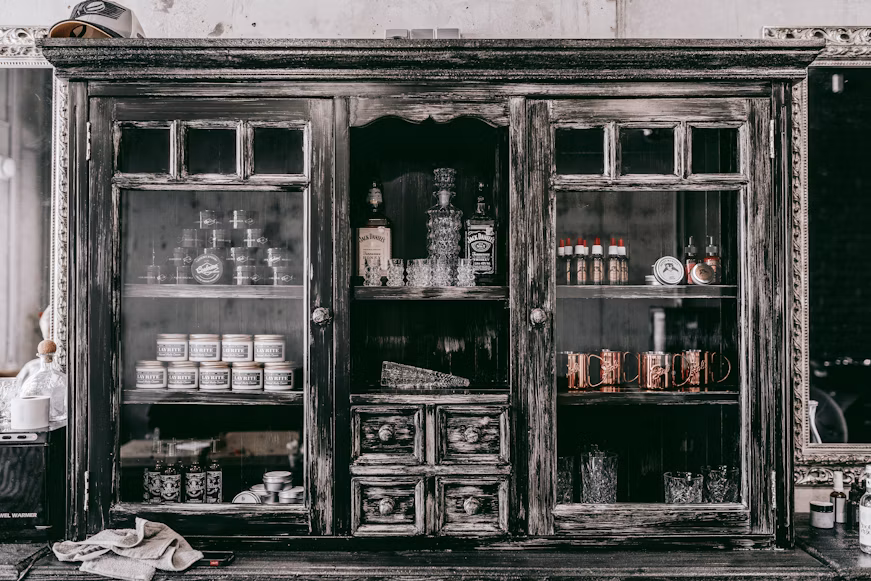
That built-in wear is the practical advantage: a small ding on a distressed door simply becomes part of the look. It suits farmhouse, rustic, and French country kitchens best. The downside is commitment, since a heavily distressed finish is difficult to repaint or restrain later if your taste changes, so it is worth choosing a level of distressing you will still like in a decade.
10. Furniture-Style Kitchen Cabinets
Short answer: Furniture-style cabinets are built to look like freestanding pieces, with legs or decorative feet, crown trim, and fuller detailing, giving a kitchen a custom, unfitted feel.
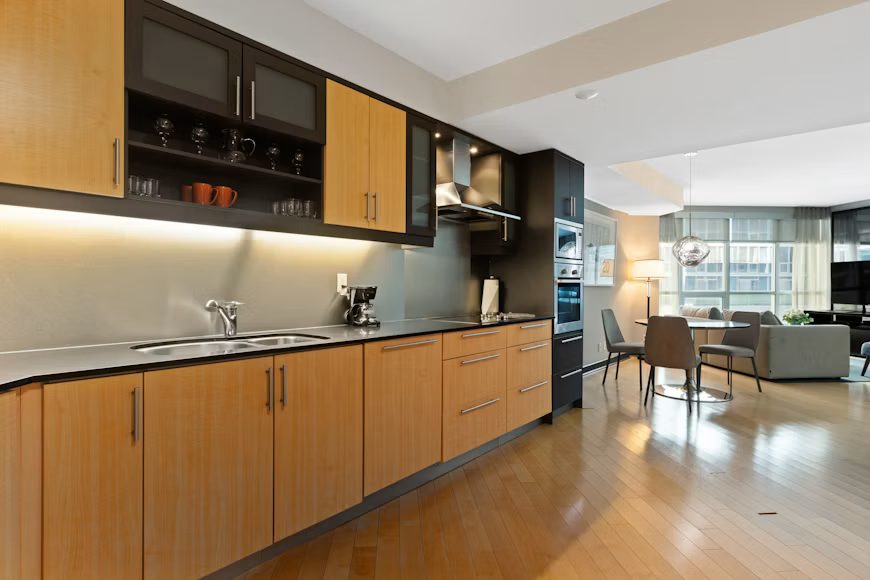
This look works especially well on an island or a hutch-style run against one wall, where it can act as a focal point without overwhelming the whole room. It is a more decorative and usually more expensive direction, since the trim, feet, and detailing add both material and labor. If you love the idea but not the cost, using furniture-style detailing on just one cabinet run is a smart compromise.
11. Farmhouse Kitchen Cabinets
Short answer: Farmhouse cabinets combine simple shaker or beadboard doors with warm whites, creams, or soft muted colors, along with either black or aged-metal hardware.
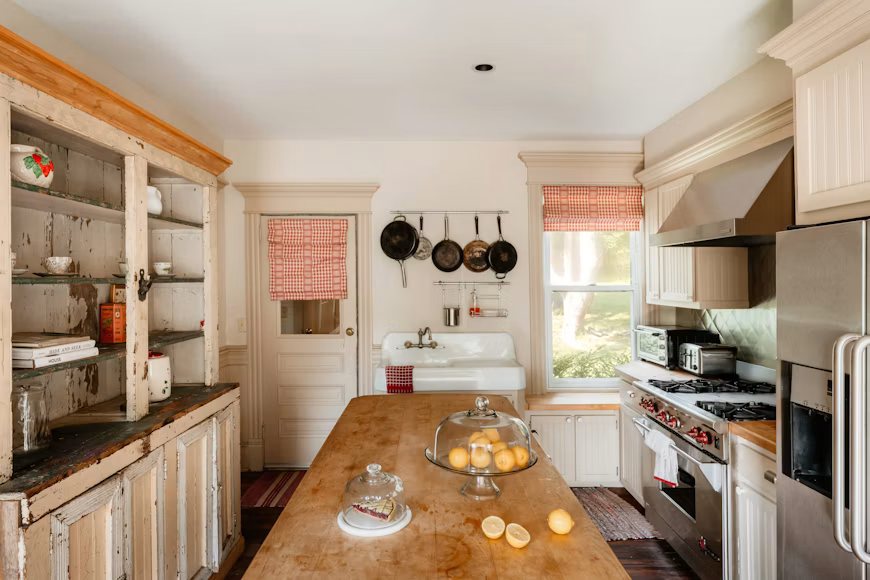
The look is comfortable rather than showy, built around practicality and warmth. Open shelving, apron-front sinks, and butcher block tend to appear alongside farmhouse cabinets, and the style pairs with wood floors and brass or black fixtures. It has stayed popular for years partly because it is flexible: a farmhouse kitchen can lean cleaner and more modern or warmer and more rustic without losing its identity.
12. Craftsman Kitchen Cabinets
Short answer: Craftsman cabinets use simple, sturdy frames with visible wood grain and understated detailing, favoring honest materials and clean joinery over decoration.
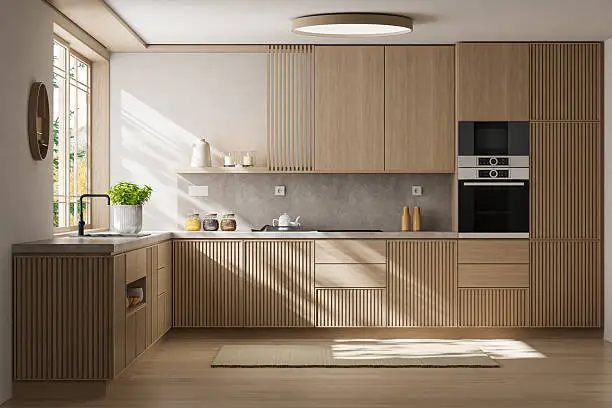
Typically built in oak, maple, or similar wood species with a natural or medium stain, Craftsman cabinetry suits bungalows and any home with a warm, handcrafted feel. It sits comfortably between traditional and modern, which is why it often shows up in transitional kitchens. Simple square hardware and flat or slightly recessed panels keep the focus on the wood itself.
13. Mid-Century Modern Kitchen Cabinets
Short answer: Mid-century modern cabinets use flat slab fronts, warm wood tones like walnut or teak, and sleek hardware or no hardware at all, echoing the clean lines of 1950s and 60s design.
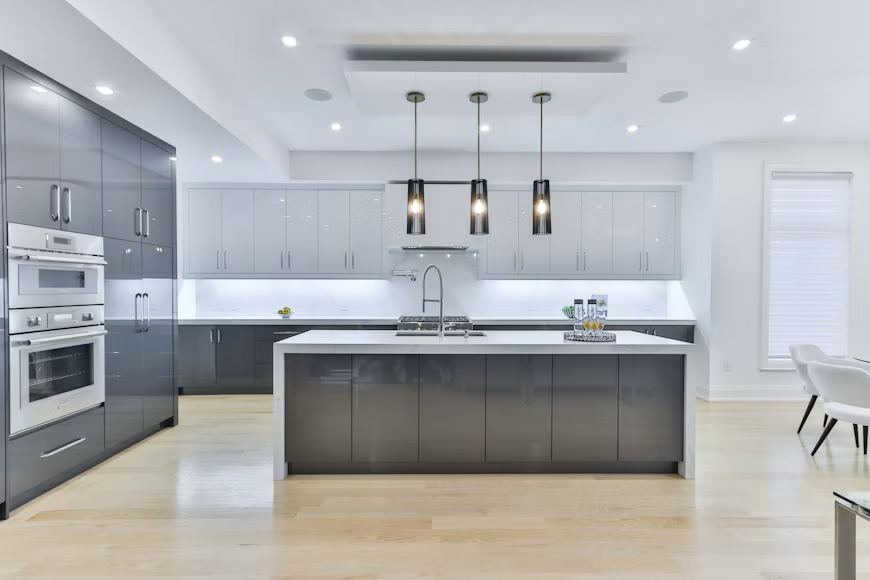
Horizontal grain, thin edge profiles, and finger-pull details give this style its character. It pairs well with terrazzo, colored appliances, and simple globe or cone pendant lights. Real walnut veneer is one of the pricier choices on this list, so many homeowners use it on a feature run, like an island or a sideboard section, and pair it with painted slab cabinets elsewhere.
14. Industrial Kitchen Cabinets
Short answer: Industrial cabinets rely on raw or metal-inspired finishes, dark colors, and simple slab or metal-framed doors to create an urban, loft-style kitchen.
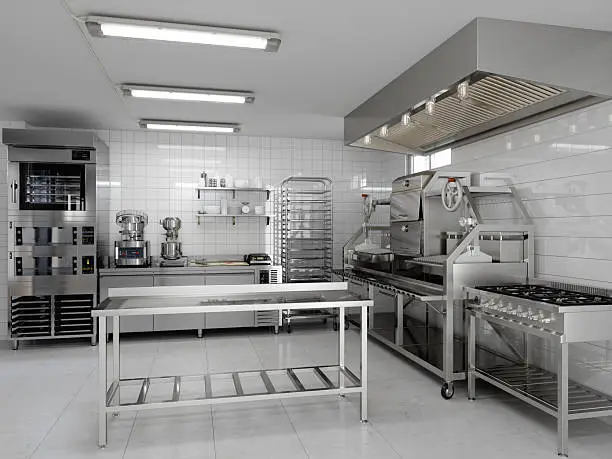
Black, charcoal, or deep gray finishes are common, often paired with stainless steel, open metal shelving, and exposed hardware. The look works best in kitchens with real architectural bones such as brick, concrete, or big windows, and it can feel heavy in a small, low-light room unless balanced with lighter counters and warm wood accents.
15. Coastal and Cottage Kitchen Cabinets
Short answer: Coastal and cottage cabinets use light paint colors like white, soft blue, or sea green on shaker or beadboard doors, keeping the kitchen bright, breezy, and relaxed.
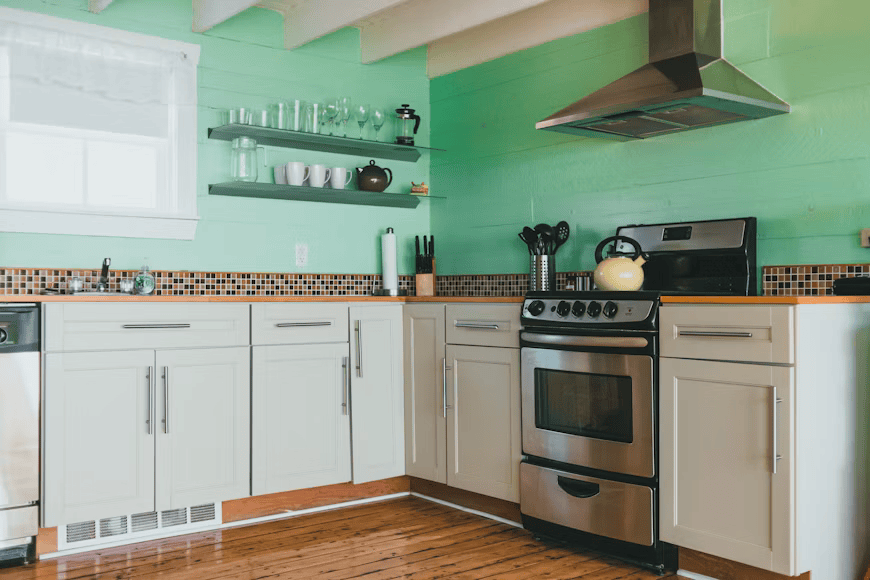
Natural textures such as woven pendants, light wood floors, and linen curtains reinforce the look. This style relies on plenty of natural light, since pale colors can look flat in a dim kitchen. It is one of the easier styles to update over time, because a repaint or a hardware swap changes the feel without requiring new cabinets.
Framed vs. Frameless Cabinets
Short answer: Framed (face-frame) cabinets have a wood frame across the front of the box, while frameless (European-style) cabinets skip the frame, giving slightly more interior access and a cleaner modern look.
Among modern kitchen cabinet styles, frameless construction shines when you want to squeeze every inch of usable storage from a smaller kitchen, since the doors cover the entire box and the openings are a little wider. Framed cabinets are sturdier at the front edge and support the classic inset and partial overlay looks that frameless simply cannot do.
Inset vs. Overlay Doors
Short answer: Inset doors sit inside the cabinet frame, full overlay doors cover the entire frame, and partial overlay doors cover only part of it, leaving some frame visible.
Full overlay is the most common choice in modern and transitional kitchens because it creates a clean, uninterrupted face. Partial overlay is a more budget-friendly option that exposes part of the frame and is common in older homes and stock cabinetry. Inset is the premium look with the tightest tolerances, and it requires the most careful installation, which is a big part of why it costs more.
Cabinet Materials
Short answer: Solid wood is the most durable and refinish able option for doors, plywood is the best choice for cabinet boxes, and MDF is best used for painted door fronts rather than any place where water can reach.
Whichever of the kitchen cabinet styles you choose, the material underneath decides how it ages. Maple takes paint and stain smoothly, oak shows a more pronounced grain, cherry darkens attractively with age, and walnut brings a deep, rich color at a higher price point. If budget is tight, spending on plywood boxes and mid-range doors will serve you better than putting money into premium door fronts on weak cabinet boxes.
Painted vs. Stained Cabinets
Short answer: Painted cabinets give you color freedom and a smooth, modern finish, while stained cabinets highlight natural wood grain and tend to hide everyday wear better.
Both finishes work across most kitchen cabinet styles, so this choice is really about maintenance and mood. Paint shows chips and edge wear more easily, especially on darker colors, though it is simple to touch up. Stain is harder to touch up but is more forgiving of the small scuffs every kitchen picks up over time. If you love the look of natural wood but want fewer maintenance concerns, a satin or matte protective topcoat helps in both cases.
Cabinet Colors: What Works and What Lasts
Short answer: White and warm neutral cabinets are still popular and easy to sell, while deeper colors like green, navy, and charcoal work well on islands and lower cabinets where you want contrast without overwhelming the room.
For a small kitchen, lighter colors reflect more light and make the room feel larger, while two-tone designs, with darker base cabinets and lighter uppers, add depth without closing the space in. Warm woods bring texture and coziness, especially against white or pale gray. If you are unsure, choose a timeless color for the main cabinets and bring in bolder color through an island, hardware, or a single glass-front section.
Choosing Hardware to Match Your Cabinet Style
Short answer: Match hardware to the cabinet's character: slim bar pulls for modern slab doors, simple knobs or cup pulls for shaker and farmhouse, and decorative brass or bin pulls for traditional and furniture-style cabinets.
Matte black suits modern and industrial kitchens, brushed brass warms up green, navy, and white cabinets, and brushed nickel remains the flexible middle-of-the-road choice. Keep the same finish across the kitchen for a cohesive look, or mix no more than two metals so it reads as intentional. Hardware is also the cheapest way to change how cabinets feel, so it makes a good test before committing to a full replacement (our breakdown of what a kitchen remodel actually changes can help you decide when swapping hardware is enough and when it is worth going further).
How Much Do Kitchen Cabinet Styles Cost?
Short answer: Stock cabinets are the most affordable, semi-custom sit in the middle, and custom cabinets cost the most, with door style and material adjusting the price within each tier.
| Cabinet Type | Typical Cost Per linear Foot | Customization |
|---|---|---|
| Stock | Roughly $100 to $300 | Limited sizes and finishes |
| Semi-custom | Roughly $150 to $650 | More sizes, finishes, and add-ons |
| Custom | Roughly $500 to $1,200+ | Built to your exact space |
These ranges vary by region, wood species, and hardware, so treat them as a starting point rather than a quote. Within any tier, simple slab and shaker doors generally cost less than raised-panel, inset, or heavily detailed styles, and solid wood or specialty finishes push the price up further.
How to Choose a Kitchen Cabinet Style?
Short answer: Start with your kitchen's size, layout, and existing architecture, then choose a door style that fits the mood you want, and only after that decide on color, material, and hardware.
Narrowing down kitchen cabinet styles gets easier if you look at the rest of the house first. A very ornate cabinet in an otherwise modern home can feel out of place, while a flat slab door in a traditional home can feel too stark. Think about how you cook: if you fry often, avoid heavily grooved doors near the stove, and if you have young kids, forgiving finishes and easy-to-clean surfaces will matter more than fine detail. Order a few door samples and look at them in your own kitchen's light before committing, since colors and finishes change dramatically between a showroom and your home.
Common Mistakes When Choosing Cabinet Styles
- Choosing a trendy color or finish without testing it in your kitchen's lighting, which can look completely different from the showroom sample.
- Putting heavily detailed doors near the stove, where grease collects in every groove and profile.
- Spending on premium doors while skimping on cabinet boxes, when sturdy plywood boxes will last far longer than fancy fronts on weak boxes.
- Ignoring hardware, even though pulls and knobs change the whole personality of a cabinet style for very little money.
- Mixing too many door styles, which tends to read as indecision rather than design.
Frequently Asked Questions
What are the different kitchen cabinet styles?
The main door styles are shaker, flat-panel (slab), raised-panel, inset, beadboard, glass-front, louvered, and cathedral, and these often get grouped into broader design looks like farmhouse, Craftsman, mid-century modern, industrial, and coastal.
What is the most popular kitchen cabinet style?
Shaker cabinets are the most popular because the simple recessed panel works with almost every kitchen style and hardware finish, and it is widely available at many price points.
What is the difference between shaker and flat-panel cabinets?
Shaker doors have a recessed center panel inside a square frame, giving a subtle dimensional look. Flat-panel, or slab, doors are a single smooth piece with no framing, which gives a more minimal modern look and is easier to clean.
Are shaker cabinets modern or traditional?
Both. The simple lines suit a modern kitchen, while the framed panel connects to traditional design, which is exactly why shaker works across so many styles.
What cabinet style is easiest to clean?
Flat-panel (slab) cabinets are the easiest because their smooth surface leaves nothing for dust and grease to settle into. Glossy finishes wipe clean easily but show fingerprints.
What is the difference between framed and frameless cabinets?
Framed cabinets have a wood frame across the front of the box, while frameless cabinets do not, which gives frameless cabinets a more modern look and slightly wider access to the interior.
Should I choose painted or stained cabinets?
Painted cabinets offer color flexibility and a smooth finish but show chips more easily. Stained cabinets highlight natural grain and hide everyday wear better.
Are white kitchen cabinets still popular?
Yes. White remains one of the most popular and resale-friendly choices, and many homeowners now warm it up with wood tones, brass hardware, or a colored island.
Conclusion
The best kitchen cabinet styles are the ones that suit your kitchen's size, your cooking habits, and the character of the rest of your home, rather than whatever is trending this year. Start with the door style, decide between framed and frameless, choose materials that can handle the moisture and heat of a working kitchen, and treat color and hardware as the finishing touches that make the design feel like yours. If you keep those priorities in order, almost any of these 15 designs can look timeless.