

Introduction
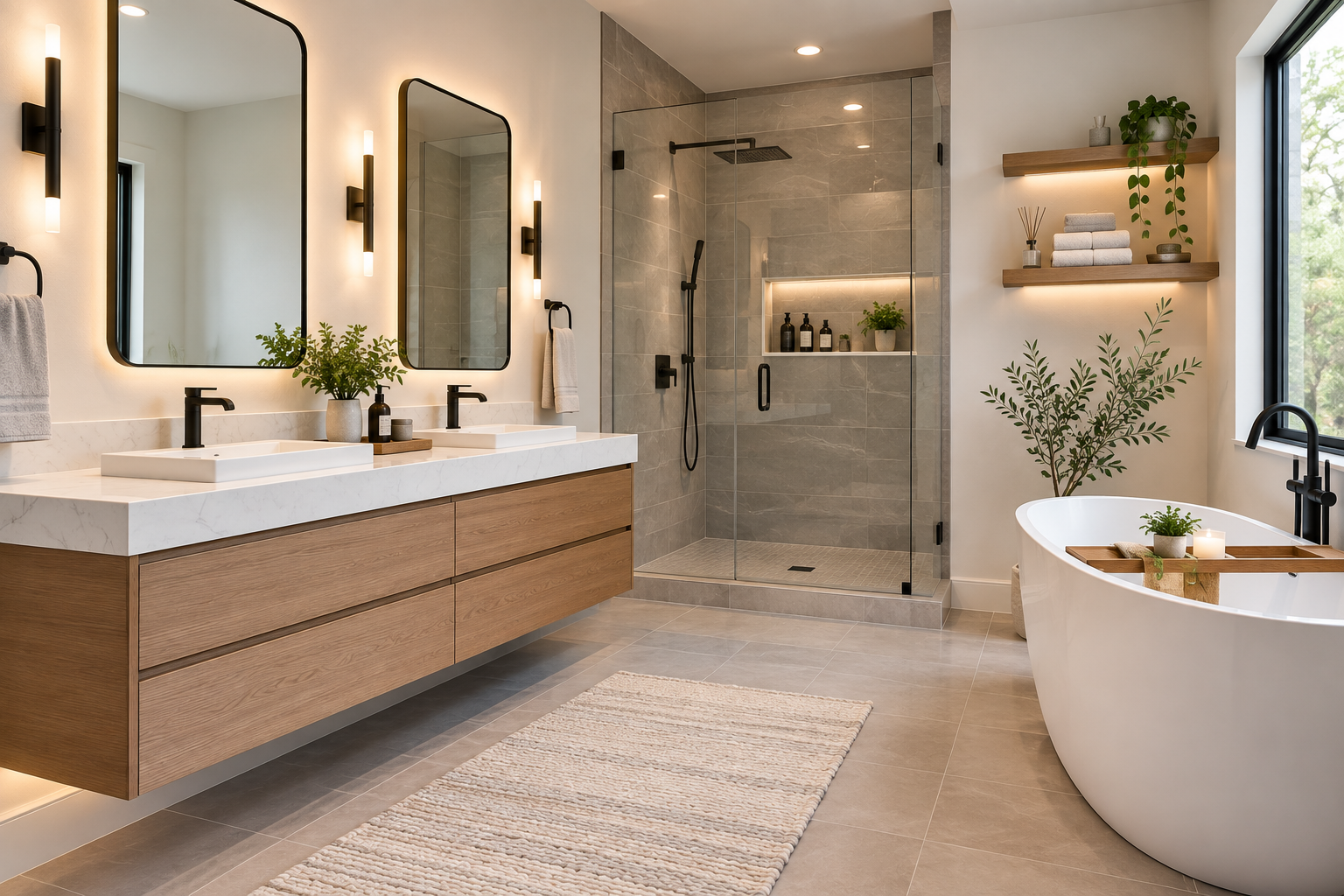
A modern bathroom isn't defined by any single product, it's a set of choices that work together: fewer visible lines, materials that stay calm rather than busy, and fixtures chosen for how clean they look as much as how well they work. The 20 modern bathroom ideas below cover fixtures, materials, lighting, and color, along with a few details most inspiration lists skip entirely, like what actually separates modern from contemporary, and what any of this is likely to cost. Whether you're planning a full modern bathroom renovation or picking off a handful of changes, these are the ideas that make the biggest visible difference.
1. Floating Vanity for an Open, Airy Feel
Short answer: A wall-mounted, floating vanity shows visible floor underneath, which is one of the fastest ways to make any bathroom feel more open and current.
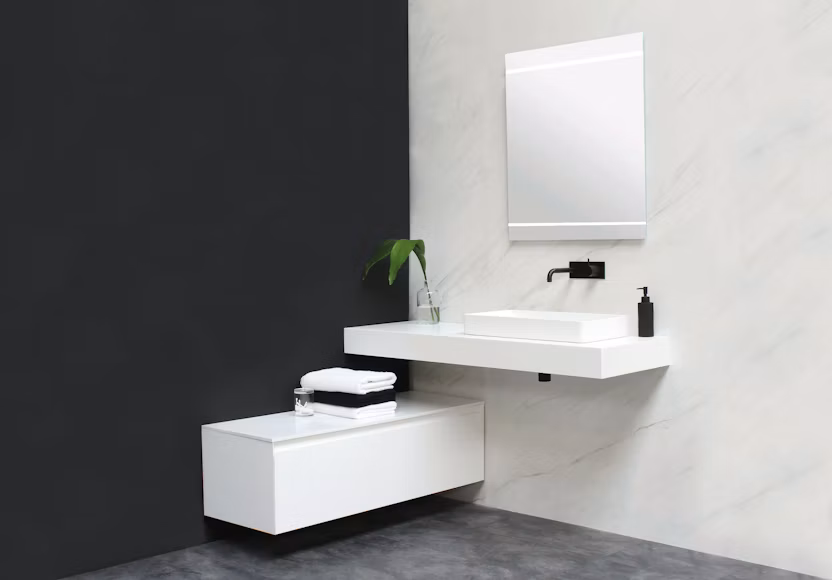
This is one of the most consistent signals of modern bathroom design, since it strips away the bulky, floor-to-ceiling cabinetry that older bathrooms default to. A floating vanity needs to be anchored into wall studs or blocking rated for its weight, so it's worth hiring a professional for the install, but the payoff is a lighter, more spacious-feeling room.
2. Large-Format Tile to Minimize Grout Lines
Short answer: Large-format porcelain or stone-look tile reduces the number of visible grout lines, which reads as cleaner and calmer than a busy pattern of small tiles.
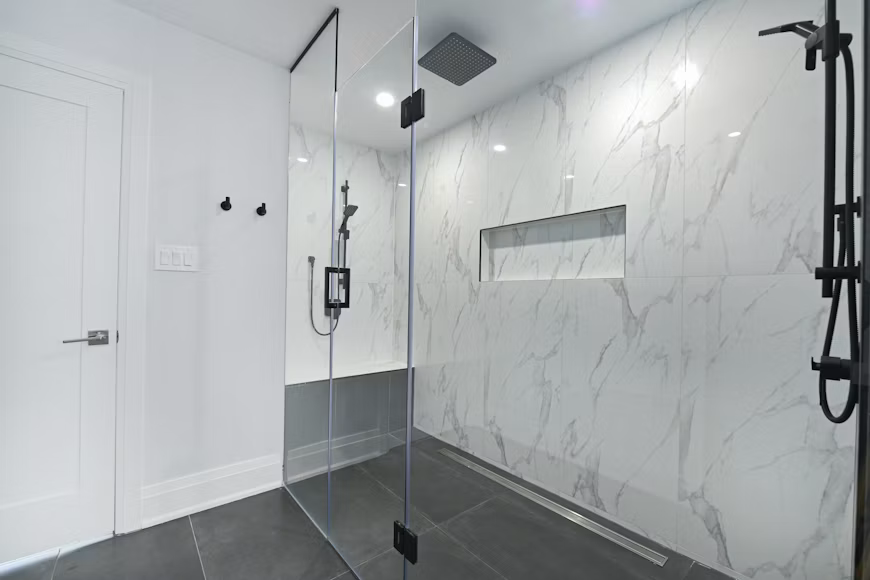
Fewer seams mean less visual noise and, practically, less grout to clean and maintain over time. Large-format tile works especially well on shower walls and floors alike, and running the same tile from floor to shower wall without a visible transition line is a classic trick for making a bathroom feel bigger than it is.
3. Frameless Glass Walk-In Shower
Short answer: A frameless glass shower enclosure keeps sightlines open across the whole bathroom, which is part of why it's become close to a default choice in modern renovations.
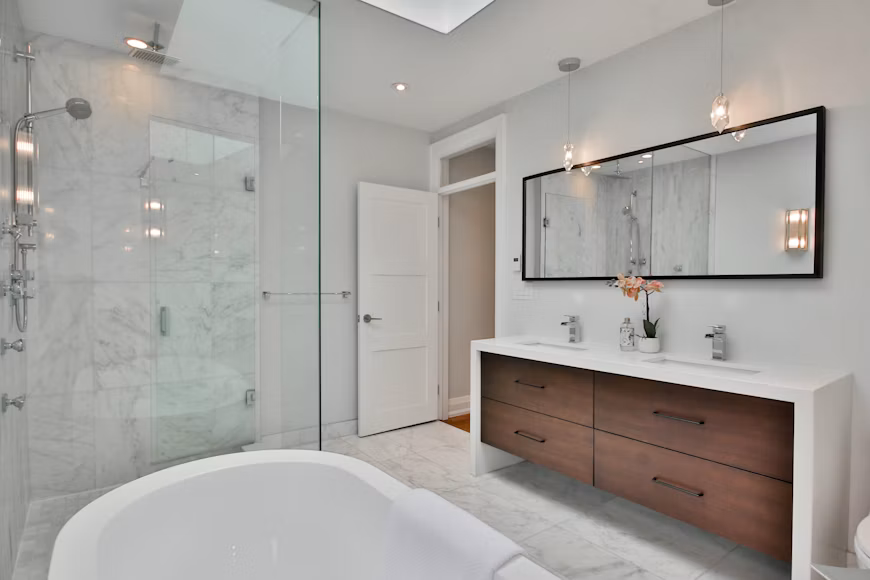
Removing the metal frame around a shower door lets the eye travel uninterrupted from one side of the room to the other. Pair it with large-format wall tile and a linear drain for the cleanest possible look, and consider a curbless entry if accessibility is part of your long-term plan.
4. Freestanding Soaking Tub as a Focal Point
Short answer: A freestanding tub, positioned away from the wall rather than built into an alcove, gives a primary bathroom a clear focal point and a spa-like feel.
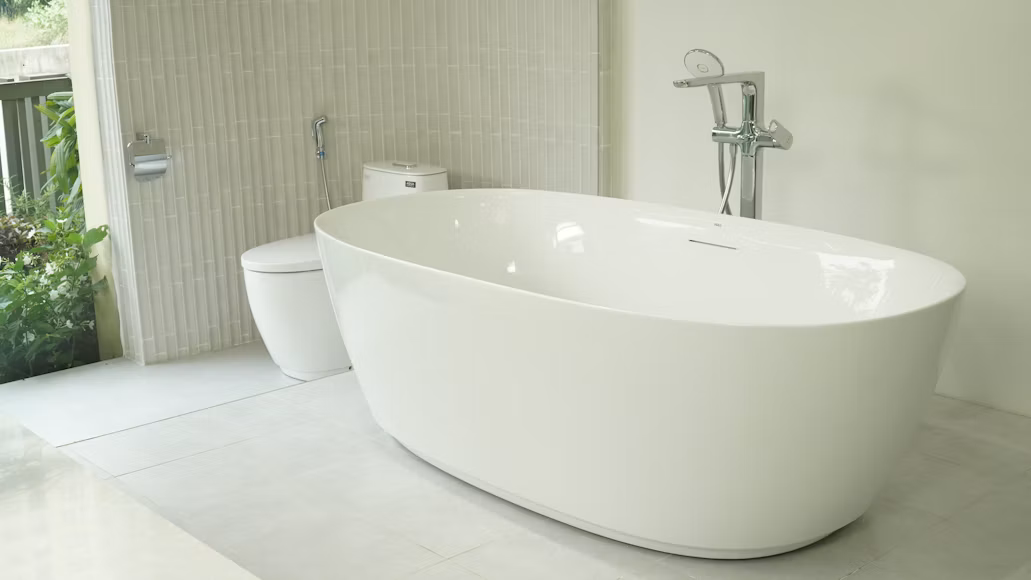
This idea works best when the tub has genuine breathing room around it rather than being squeezed into a leftover corner. Materials like stone resin, acrylic, or cast iron all suit a modern look, and a floor-mounted or wall-mounted tub filler keeps the area around the basin free of visual clutter.
5. Wall-Mounted Faucets for a Streamlined Look
Short answer: A wall-mounted faucet removes the fixture from the countertop entirely, simplifying cleaning and giving the vanity a sleeker, less cluttered look.
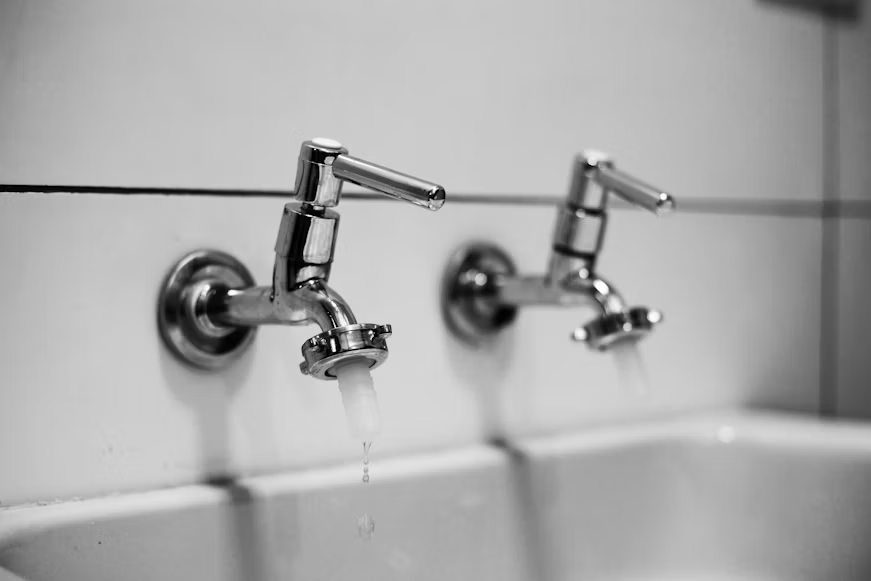
This detail pairs naturally with a floating vanity or a vessel sink, since it keeps the visual weight up on the wall rather than stacked on the counter. It does require the plumbing to be roughed into the wall, which makes it a better fit for a full renovation than a quick fixture swap.
6. Backlit or LED Mirrors for Modern Vanity Lighting
Short answer: A backlit or LED-integrated mirror provides even, shadow-free vanity lighting while doubling as a clean, hardware-free design feature.
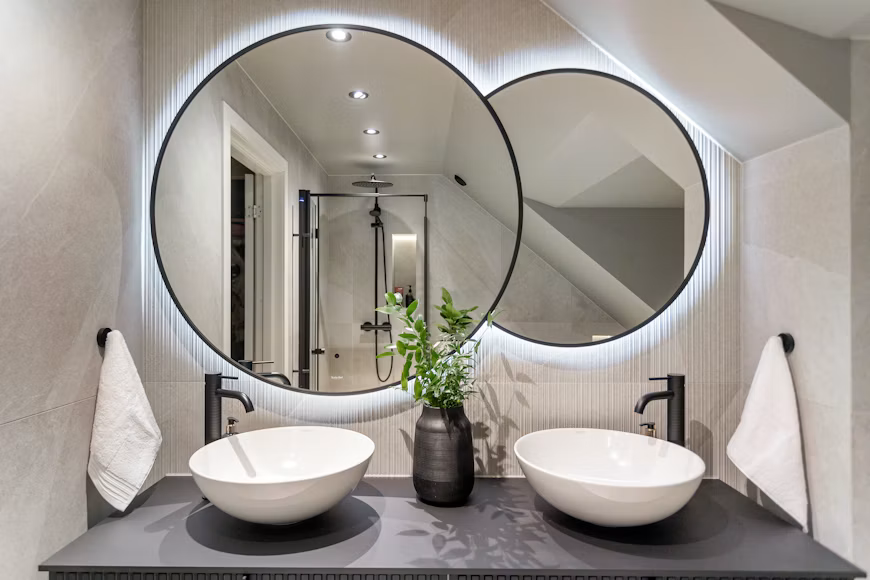
Traditional overhead lighting casts shadows under the eyes and chin, which is exactly what a backlit mirror solves. Many now include a dimmer or a defogging feature built in, removing the need for separate sconces entirely in a smaller bathroom.
7. Matte Black Hardware and Fixtures
Short answer: Matte black faucets, shower fixtures, and hardware add contrast against light walls and tile, and they remain one of the most reliable ways to signal a modern update.
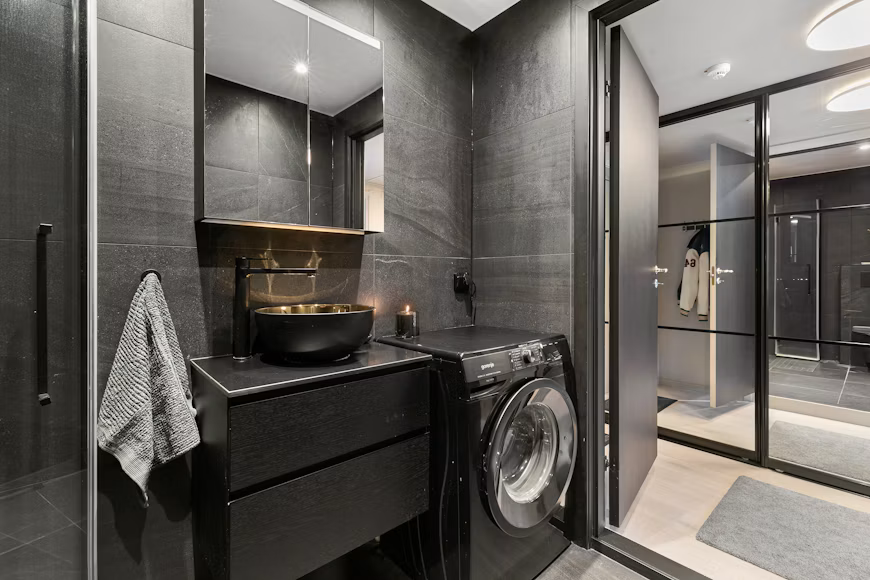
Black reads as intentional rather than trendy when it's used consistently, on the faucet, the shower trim, and the cabinet pulls together, rather than mixed with two or three other finishes. It pairs especially well with white, warm wood, or a pale stone countertop.
8. Wall-Hung Toilet to Save Visual Space
Short answer: A wall-hung toilet conceals the tank inside the wall, leaving only the bowl visible and freeing up visual and physical floor space.
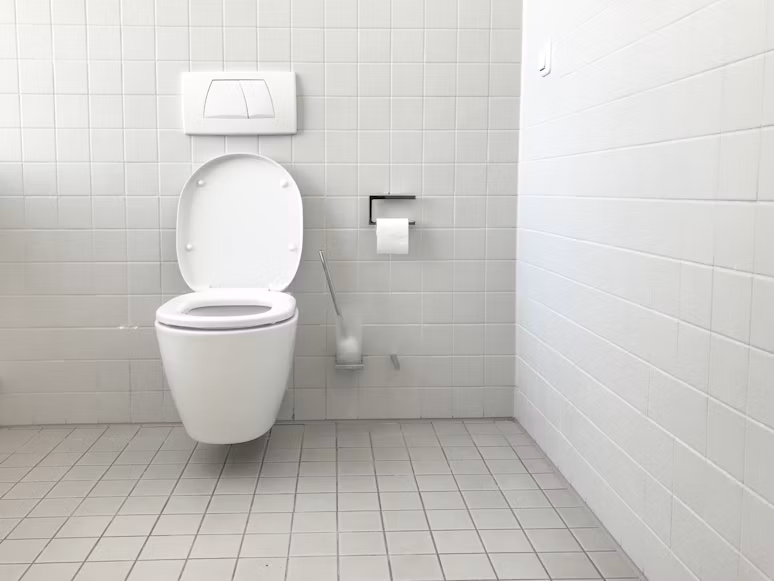
This is a more involved installation since it requires an in-wall carrier system, which makes it a better fit for a full remodel than a simple swap. The payoff is a genuinely cleaner floor line and easier mopping underneath, both hallmarks of modern bathroom design.
9. Curbless Wet Room Shower Design
Short answer: A wet room removes the shower curb entirely, creating one continuous, sloped floor that's both a sleek modern look and a genuinely accessible design.
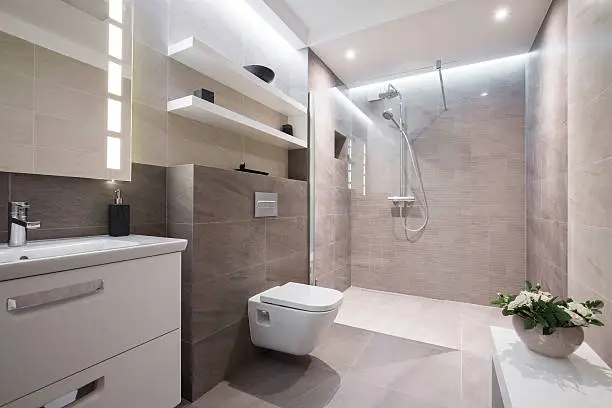
Because the whole room is built to handle water, a wet room needs careful waterproofing and a properly sloped floor to a central or linear drain. It's a bigger structural commitment than most items on this list, but it delivers one of the most distinctly modern, open layouts available.
10. Natural Wood Accents Against Cool Surfaces
Short answer: Wood cabinetry, shelving, or accent walls warm up a modern bathroom's typically cool palette of tile, glass, and stone.
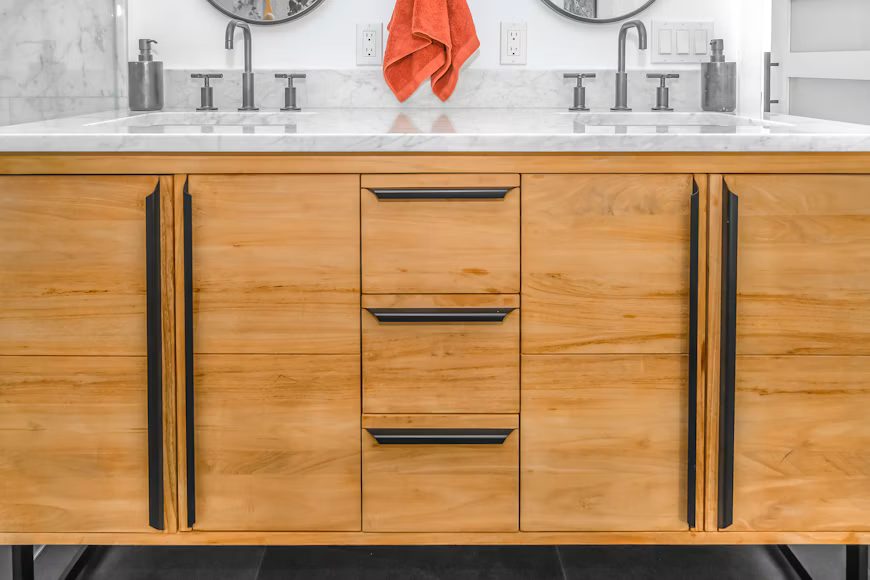
Without some warmth, an all-white, all-tile bathroom can start to feel sterile. Engineered wood or moisture-treated veneers handle bathroom humidity better than solid wood in wet zones, and a wood vanity paired with white walls and black hardware is one of the most consistently popular combinations in modern design right now.
11. Monochromatic Color Scheme
Short answer: Sticking to different shades and textures of a single color family, all white, all gray, or all charcoal, creates a calm, cohesive look that's a hallmark of modern design.

The trick to making a monochromatic bathroom feel intentional rather than flat is texture: matte tile against glossy fixtures, or a textured plaster wall against smooth stone. Without that variation, an all-one-color room can read as unfinished rather than deliberate.
12. Sage Green or Muted Earth Tone Accents
Short answer: A soft, muted color like sage green or warm taupe introduces personality into a modern bathroom without disrupting its clean, neutral foundation.
These muted tones work well on a vanity, an accent wall, or even a colored sink, paired with warm wood and brass or matte black hardware. They've stayed popular specifically because they read as calming rather than bold, which fits the restrained mood modern design is built around.
13. Heated Floors for Everyday Comfort
Short answer: Radiant heated flooring adds genuine daily comfort to a modern bathroom and pairs especially well with large-format tile or stone, which otherwise stay cold underfoot.
This is an upgrade best planned during a full renovation, since it's installed beneath the finished floor. It's one of the less visible items on this list, but it's consistently mentioned by homeowners as one of the upgrades they notice and appreciate the most, every single morning.
14. Built-In Shower Niche Instead of Caddies
Short answer: A recessed shower niche built into the wall replaces hanging caddies and shelves with clean, built-in storage that disappears into the tile itself.
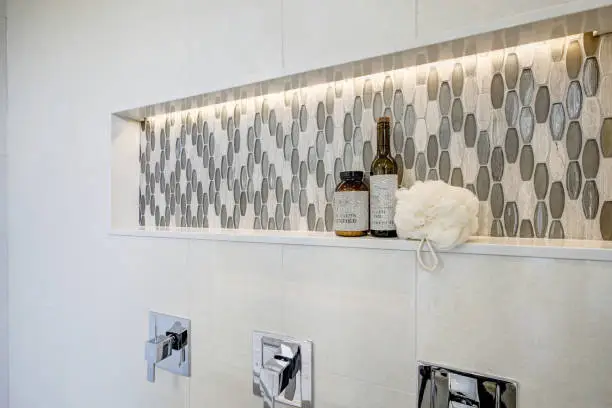
This is a small detail with an outsized visual impact, since it removes one of the most common sources of clutter in an otherwise sleek shower. Lining the niche with the same or a contrasting accent tile is a simple way to add a bit of design detail without much added cost.
15. Layered Lighting Beyond a Single Overhead Fixture
Short answer: Combining ambient ceiling lighting, task lighting at the mirror, and accent lighting in a niche or under the vanity creates the even glow associated with high-end modern bathrooms.
A single overhead fixture is one of the clearest signs of an unrenovated bathroom. Layering light sources, and putting them on separate dimmers where possible, gives you control over mood as well as function, from bright task lighting in the morning to something softer in the evening.
16. Smart Bathroom Technology
Short answer: Features like a smart mirror with built-in lighting and defogging, a smart toilet, or a digital shower control add convenience and a genuinely current feel to a modern bathroom.
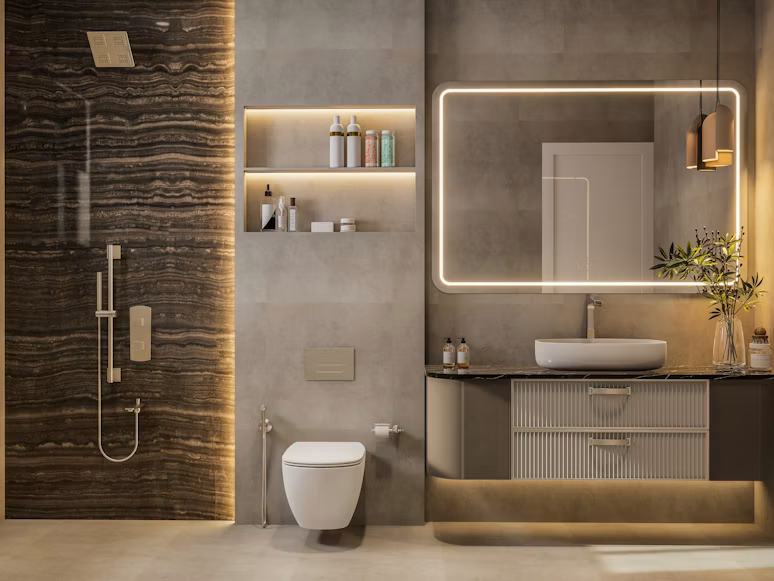
These upgrades tend to cost more than their manual equivalents, so it's worth prioritizing the ones you'll actually use daily, a heated, self-cleaning smart toilet or a defogging mirror, rather than adding every available feature simply because it exists.
17. Indoor Plants for a Biophilic Touch
Short answer: A few humidity-tolerant plants soften a bathroom's hard surfaces and bring a genuine sense of life into an otherwise cool, material-driven space.
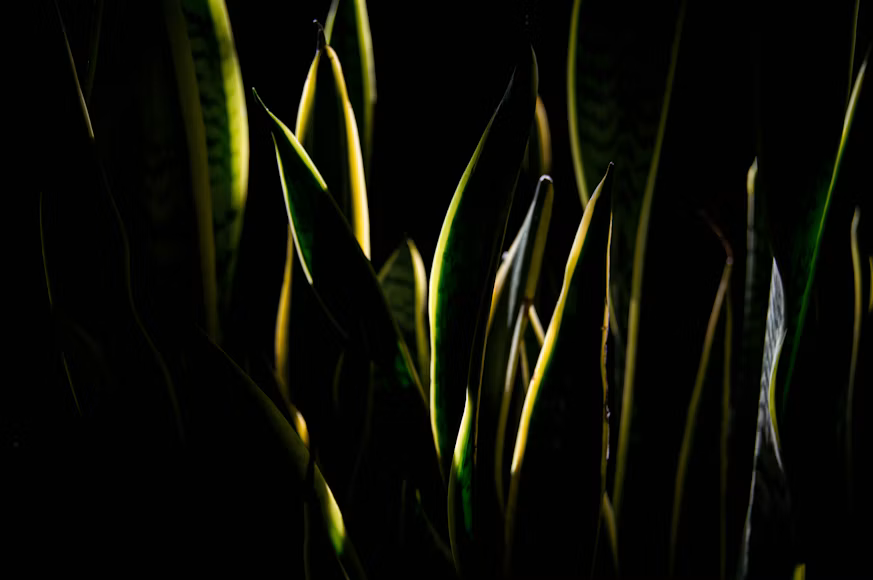
Plants like pothos, snake plants, or ferns tolerate bathroom humidity well and need relatively little direct light. This is one of the cheapest ideas on this entire list, and it's a simple way to keep a minimalist bathroom from feeling sterile or overly clinical.
18. Japandi-Inspired Minimalist Styling
Short answer: Japandi design blends Japanese minimalism with Scandinavian warmth, pairing a restrained, clutter-free layout with natural wood tones and soft, neutral textiles.
This is one of the more specific modern bathroom ideas for small bathrooms and any space aiming for a calmer feel, since it leans on function and natural materials rather than decoration. A simple wood stool, a woven bath mat, and hidden storage behind flat cabinet fronts capture the look without much added cost.
19. Geometric or Textured Accent Tile
Short answer: A single wall or shower niche in geometric or textured tile adds pattern and visual interest without overwhelming an otherwise restrained, neutral bathroom.
Hexagon, fish-scale, and simple linear patterns all read as modern when kept to one accent area rather than covering every surface. This is a good way to bring personality into the design without compromising the clean, uncluttered feel the rest of the bathroom is built around.
20. Dark, Moody Color Palette
Short answer: Charcoal, deep green, or near-black walls and cabinetry create a dramatic, enveloping modern look that works especially well in a primary bathroom with good lighting.
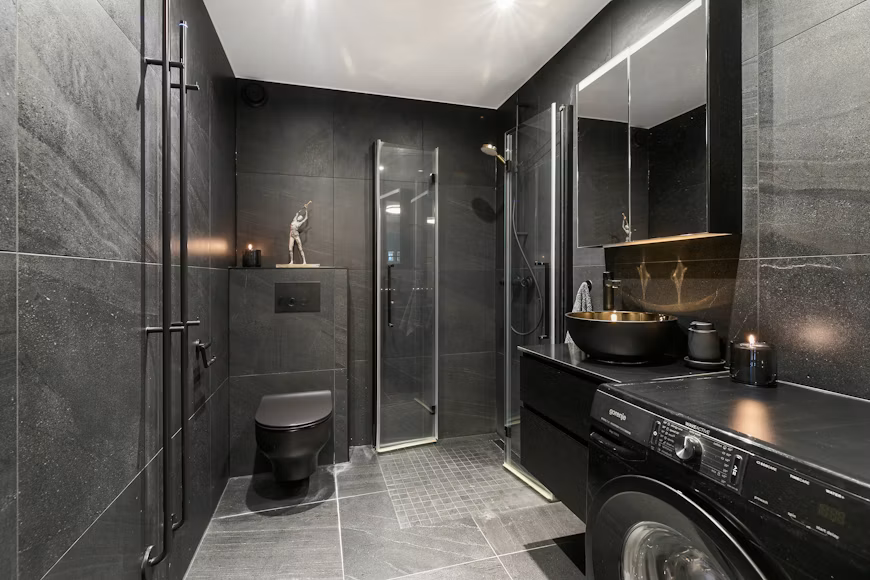
This is the boldest direction on this list, and it depends heavily on layered lighting to avoid feeling like a cave rather than a retreat. Paired with brass or matte black fixtures and a lighter stone or quartz countertop for contrast, a dark bathroom can feel genuinely luxurious rather than closed in.
Modern vs. Contemporary Bathroom: What's the Difference?
Short answer: Modern design refers to a specific, fixed aesthetic rooted in clean lines and minimal ornamentation, while contemporary design simply reflects whatever is currently trending and changes over time.
This distinction trips up a lot of homeowners, since the words get used interchangeably in casual conversation. A modern bathroom leans on a consistent set of features, flat surfaces, minimal detailing, a restrained palette, that don't shift much with passing trends. A contemporary bathroom borrows from whatever's current, which might mean curved edges and warm tones one year and sharp angles and cool tones the next. If you want a look that won't feel dated in five years, modern's fixed vocabulary is the safer long-term bet.
Small Modern Bathroom Ideas That Actually Work
Short answer: A floating vanity, a large mirror, light and consistent colors, and a wall-hung toilet are the highest-impact modern updates for a small bathroom, since they all free up visible floor and wall space.
Modern design's emphasis on clean lines and minimal clutter happens to suit small bathrooms especially well. Running the same large-format tile from the floor into the shower without a visible break, choosing a light, consistent color palette, and swapping heavy cabinetry for a floating vanity are the three changes that make the most visible difference in a tight space without requiring you to move a single wall.
How Much Does a Modern Bathroom Remodel Cost?
Short answer: A modern-style cosmetic refresh typically runs $3,000 to $10,000, while a full modern renovation with layout changes, a wet room, or a wall-hung toilet can run $20,000 to $45,000 or more.
| Project Scope | Typical Cost | What's Included |
|---|---|---|
| Cosmetic refresh | 3,000–10,000 | Paint, fixtures, lighting, hardware swap |
| Mid-range remodel | 12,000–25,000 | New vanity, tile, shower enclosure, lighting |
| Full modern renovation | 25,000–45,000+ | Layout changes, wet room, wall-hung toilet, heated floors |
The features that tend to drive cost up fastest are anything requiring plumbing relocation (a wall-hung toilet or wall-mounted faucet), structural waterproofing (a wet room), and premium materials like natural stone or stone resin fixtures. A modern look is achievable at almost any budget, the cosmetic-refresh tier covers paint, hardware, lighting, and a mirror swap, all of which meaningfully shift a bathroom's feel without touching the layout at all.
Common Mistakes in a Modern Bathroom Remodel
- Going all-white with a single flat light source, which tends to feel clinical rather than calm without layered lighting and at least one warm material to balance it.
- Mixing more than two metal finishes, which reads as inconsistent rather than intentional in a style built around restraint.
- Choosing a floating vanity or wall-hung toilet without confirming wall support, both need real structural backing, not just standard drywall anchors.
- Skipping texture entirely in a monochromatic scheme, which is what keeps an all-one-color room from feeling flat or unfinished.
Frequently Asked Questions
What are the best modern bathroom ideas for small spaces?
A floating vanity, a large mirror, a wall-hung toilet, and running the same large-format tile from the floor into the shower are the highest-impact choices for a small bathroom, since they all free up visible space.
What colors work best in a modern bathroom?
Neutral palettes, white, gray, beige, and charcoal, form the most common foundation, often paired with one accent, whether that's matte black hardware, a sage green vanity, or a bolder, moodier dark color scheme.
What tiles are best for a modern bathroom?
Large-format porcelain or stone-look tile is the most common choice because it minimizes grout lines and reads as calmer than smaller, busier patterns. A single accent wall in geometric or textured tile adds interest without breaking that simplicity.
Is a floating vanity good for a modern bathroom?
Yes, a floating vanity is one of the clearest, most reliable signals of modern design, since it opens up visible floor space and creates a lighter, less bulky look than a traditional floor-standing cabinet.
How can I create a luxury modern bathroom on a budget?
Prioritize the changes that touch the least plumbing: a backlit mirror, matte black or brass hardware, fresh paint, and a few plants go a long way toward a high-end modern feel without the cost of moving fixtures or waterproofing a wet room.
Conclusion
The best modern bathroom ideas aren't really about following every trend on this list at once, they're about choosing a handful that fit your space, your budget, and how you actually use the room, then executing them with restraint. Whether that means a full renovation with a wet room and wall-hung toilet or simply a floating vanity, a backlit mirror, and a fresh coat of paint, the same principle holds: fewer, better choices, executed cleanly, are what actually make a bathroom feel modern. If you're weighing a full bathroom remodeling ideas list against a lighter refresh, our broader guide to bathroom remodel ideas is worth a look for the full range of options beyond just the modern style.