


Introduction
Most expensive home repairs don't happen overnight, they build slowly from something small that nobody caught in time. A slow drip under a sink, a clogged dryer vent, a smoke detector with a dead battery, none of these look urgent until the month they suddenly are. A solid home maintenance checklist run once a month catches almost all of it early, usually in under an hour total, which is a fair trade for avoiding the kind of repair bill that shows up with zero warning.
| Frequency | Focus | Examples |
|---|---|---|
| Monthly | Small checks that catch problems early | Filters, detectors, leaks, drains |
| Quarterly | Deeper inspection and cleaning | HVAC service, gutter cleaning, deep clean |
| Seasonal | Weather-driven prep | Winterizing pipes, AC tune-up, gutter clearing |
| Annual | Full-system servicing | Roof inspection, water heater flush, chimney sweep |
1. Test Your Smoke and Carbon Monoxide Detectors
Short answer: Press the test button on every smoke and carbon monoxide detector once a month, and replace any battery that sounds weak, since dead detector batteries are one of the most common (and easily prevented) home safety failures.
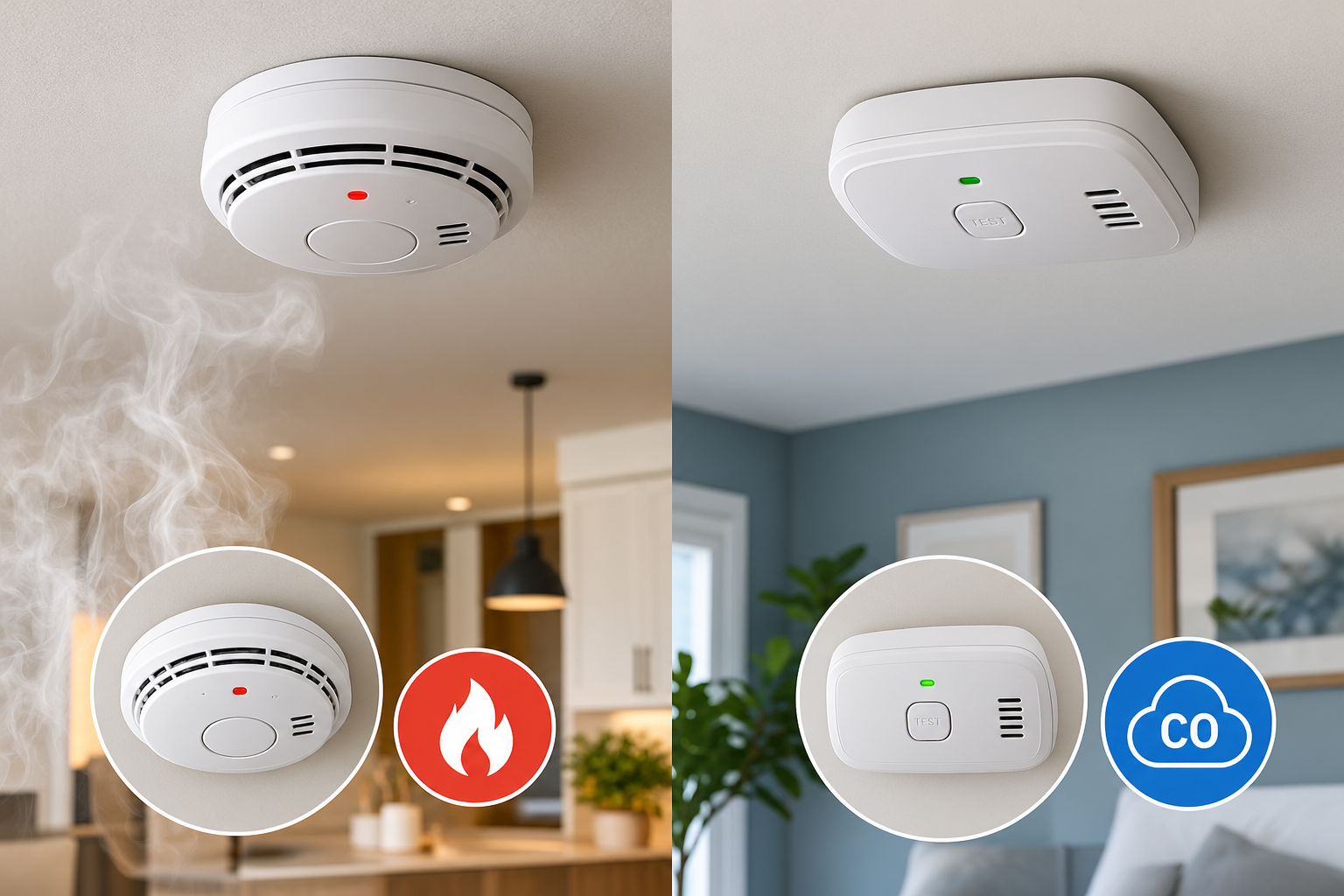
This takes about five minutes and it's the single highest-value item on this home maintenance checklist relative to the effort involved. While you're at it, glance at the manufacture date on the unit itself, most detectors need full replacement every 8 to 10 years regardless of how the battery is doing, since the sensors inside degrade over time even when the alarm still technically works.
2. Check and Replace Your HVAC Air Filter
Short answer: Check your HVAC filter monthly and replace it every 1 to 3 months depending on the filter type and how many pets or allergy sufferers are in the house.
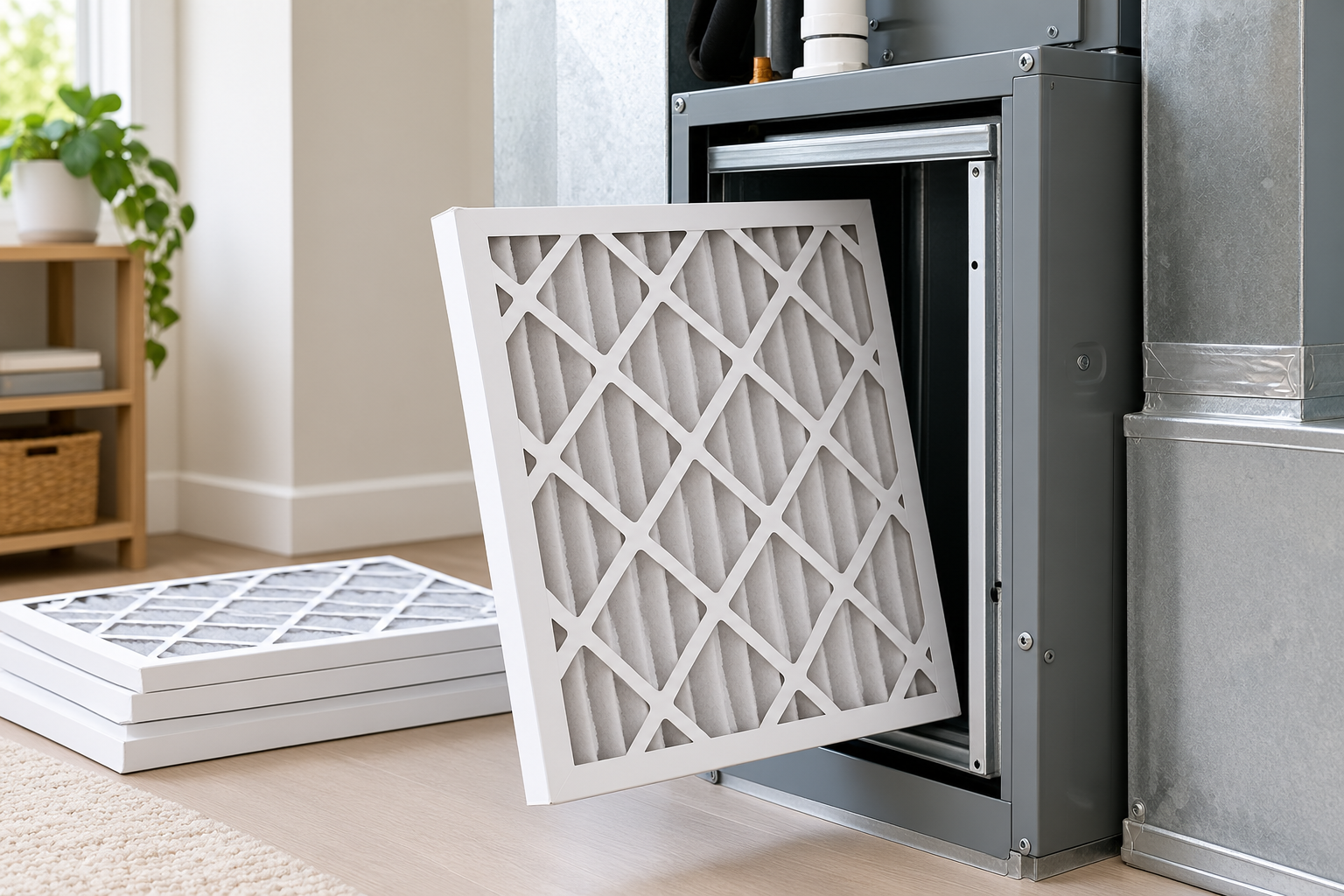
A clogged filter forces your furnace or air conditioner to work harder, which raises energy bills and shortens the system's lifespan over time. Hold the filter up to a light source, if you can't clearly see light through it, it's overdue for a swap. Homes with pets or with anyone sensitive to allergens generally need the shorter end of that replacement window rather than stretching it to the full three months.
3. Look for Leaks Under Sinks and Around Toilets
Short answer: A five-minute check under every sink and around the base of each toilet catches slow leaks before they cause real water damage or mold growth.
Pull back the cabinet doors under your kitchen and bathroom sinks and feel around the pipes and shutoff valves for any dampness, and check the floor around toilet bases for discoloration or a slightly soft feel underfoot. Small plumbing leaks are cheap to fix the week you find them and expensive once they've had months to soften subfloor or feed mold behind a wall.
4. Clean and Inspect Kitchen Appliances
Short answer: Wipe down cabinets, clear expired pantry items, and check the water line behind the refrigerator for any signs of a slow leak or a pinched hose.

Beyond wiping down surfaces, run your dishwasher's cleaning cycle if it has one, and check the garbage disposal for odors, which usually means it's time to grind up some ice and a bit of citrus peel to clean the blades. If your fridge has an ice maker or water dispenser, check that the supply line isn't kinked or showing wear where it connects to the wall, since this is one of the more common sources of a slow, hidden leak in a kitchen.
5. Scrub Bathroom Tile and Check for Mold
Short answer: Clean shower tile and grout monthly with proper ventilation running, and inspect the caulking around tubs, showers, and sinks for cracking or gaps that let water sneak behind the wall.
Humid rooms with poor airflow are exactly where mold and mildew take hold fastest. Beyond the visible cleaning, check that your exhaust fan is actually pulling air, hold a piece of tissue paper up to the vent while it's running, if it doesn't get pulled toward the fan, the ventilation isn't doing its job and mold risk goes up regardless of how often you scrub.
6. Test Every GFCI Outlet in the House
Short answer: Press the "test" and "reset" buttons on every GFCI outlet (kitchens, bathrooms, garages, and outdoor outlets) once a month to confirm they'll actually trip during a real ground fault.
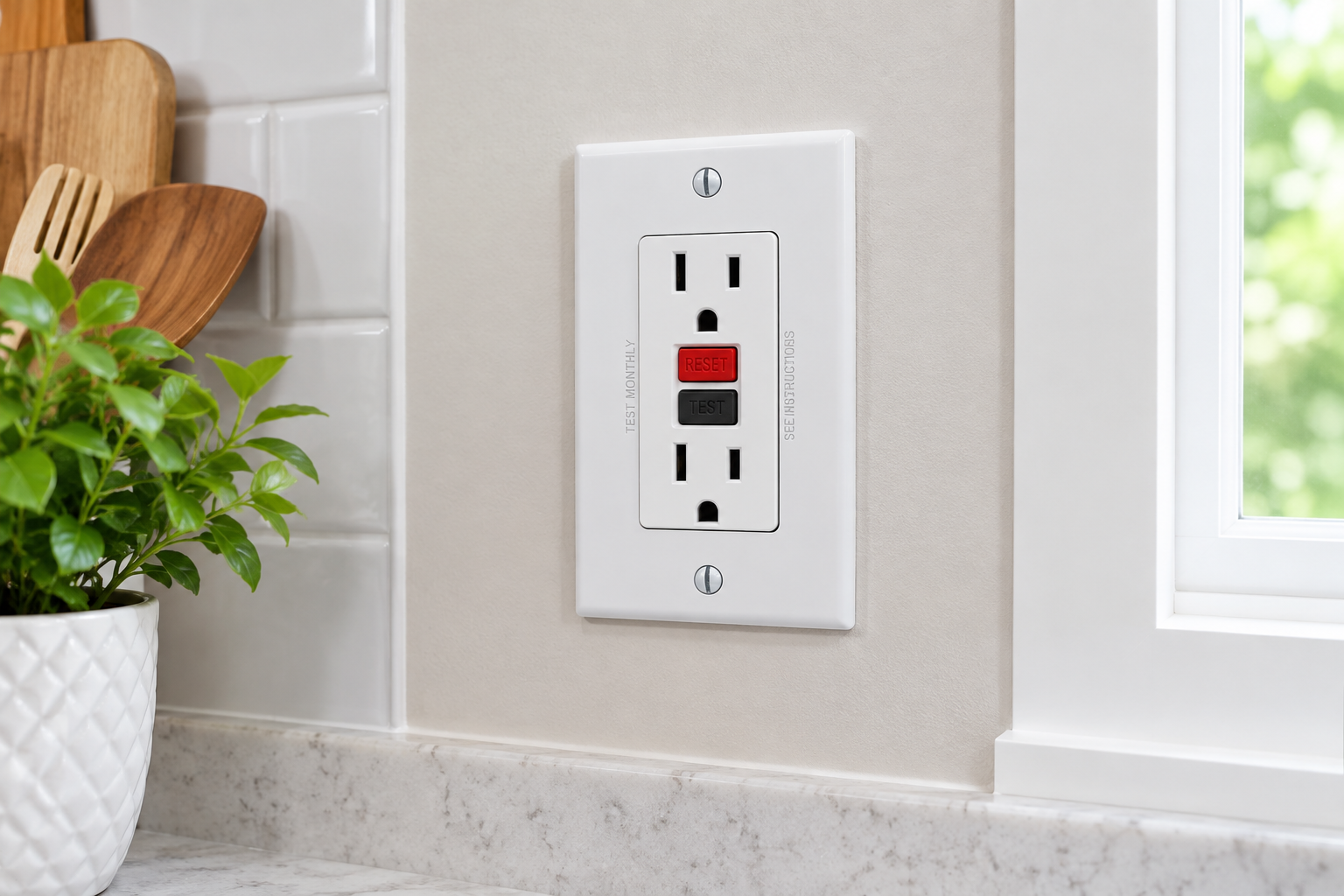
This is one of the most skipped items on any home maintenance checklist, mostly because GFCI outlets can look and behave completely normally even after the safety mechanism inside has failed. The test takes seconds: press "test" (power should cut immediately), then press "reset" to restore it. If an outlet doesn't trip when tested, it needs to be replaced, since a GFCI outlet's entire job is preventing electrical shock near water.
7. Check Your Water Heater for Early Warning Sign
Short answer: Look at the area around your water heater monthly for pooling water, rust, or a popping/rumbling sound, all of which signal sediment buildup or a developing leak.
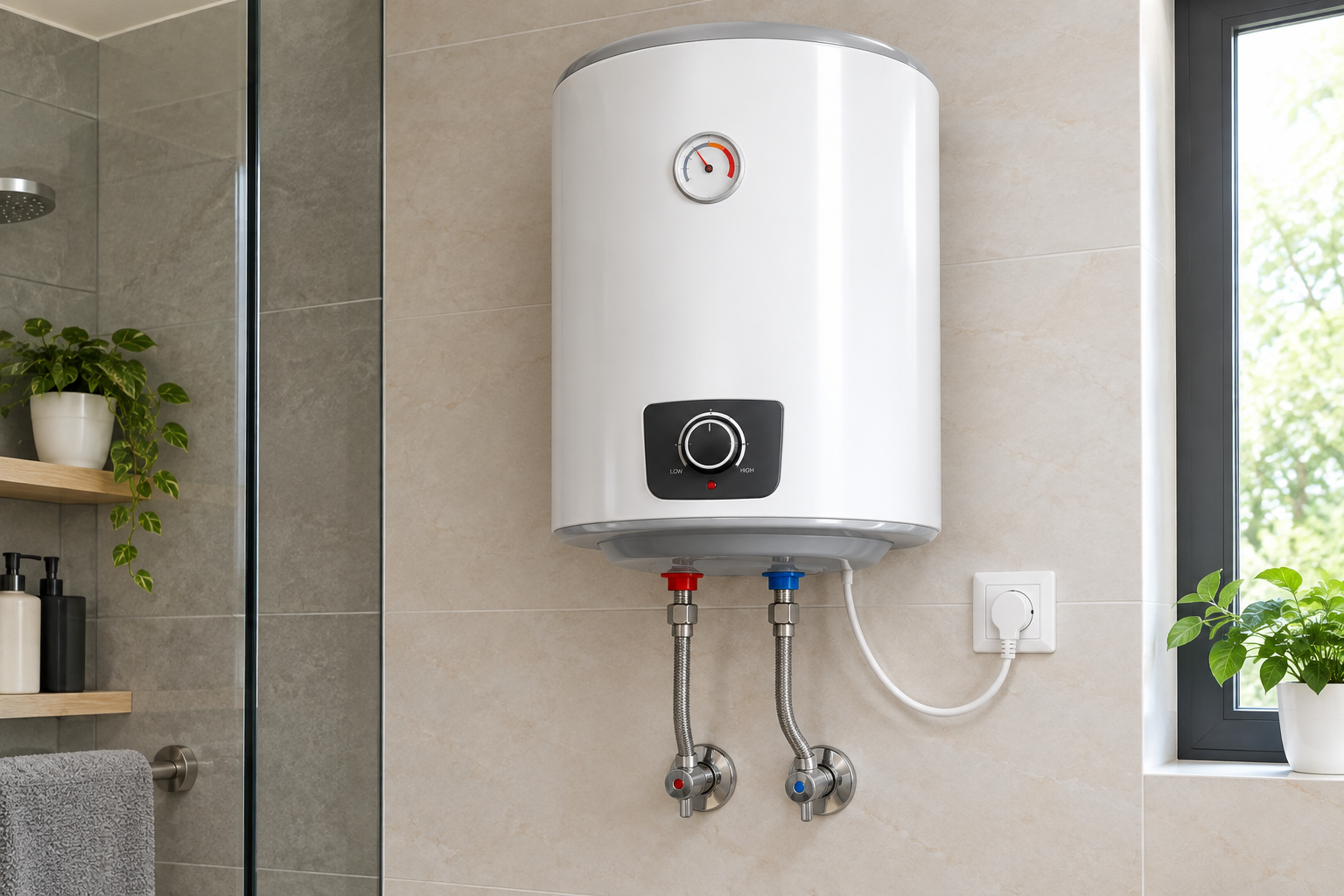
A water heater rarely fails without warning if you're paying attention. Rust-colored water, a rumbling or popping sound during heating (caused by sediment settling at the bottom of the tank), or any dampness on the floor around the unit are all signs worth addressing before a full tank failure floods the surrounding area. Most tank water heaters last 8 to 12 years, so it's worth checking the manufacture date if you're not sure how close yours is to the end of its expected lifespan.
8. Check Gutters and Downspouts for Blockages
Short answer: A quick visual check of your gutters each month catches blockages early, even though a full cleaning is usually only needed once or twice a season.
Overflowing gutters send water straight down your foundation instead of away from it, which is exactly the kind of slow-building problem that turns into an expensive foundation repair years later. You don't need to climb up every single month, a glance from the ground after a rain, checking for water sheeting over the sides instead of flowing through the downspout, tells you most of what you need to know.
9. Inspect the Garage Door and Opener
Short answer: Test the garage door's auto-reverse safety feature monthly by placing an object in its path, and listen for new grinding or scraping sounds that suggest the track or rollers need attention.
A garage door is one of the largest moving objects in most homes, and the safety sensors that stop it from closing on an obstruction are worth confirming regularly, not just when you first move in. Place a block of wood in the door's path and try closing it, if it doesn't reverse on contact, that's a safety issue worth addressing immediately rather than adding to a future to-do list.
10. Walk the Exterior and Check Drainage
Short answer: Walk the full perimeter of the house monthly, checking that soil and mulch slope away from the foundation and that no plants are growing directly against the siding.
This is a simple task that catches a surprising number of small issues: gaps in caulking around exterior doors and windows, plants that have grown close enough to trap moisture against the siding, or a downspout that's started dumping water right next to the foundation instead of carrying it further away. Preventive maintenance like this is genuinely the cheapest kind there is, since it's just attention, not materials or labor.
11. Test Your Sump Pump
Short answer: If you have a sump pump, pour a bucket of water into the pit monthly to confirm it activates, since a sump pump that fails silently between storms is one of the more common causes of basement flooding.
A sump pump can sit unused for weeks or months at a time in a dry season, which means a failure can go completely unnoticed until the exact moment you actually need it. Pouring in enough water to trigger the float switch confirms the pump kicks on, moves water, and shuts off properly, a 60-second test that's a lot cheaper than a flooded basement.
12. Clean the Dryer Vent and Lint Trap
Short answer: Clean the lint trap after every load and check the exterior dryer vent monthly for blockages, since a clogged dryer vent is one of the leading causes of house fires linked to home appliances.
Lint buildup inside the vent duct (not just the trap) restricts airflow, which makes your dryer work harder, run hotter, and take longer per cycle. Step outside while the dryer is running and check that air is actually flowing freely from the exterior vent cover, weak or no airflow usually means lint has built up somewhere along the duct and it's time for a full vent cleaning, not just the trap.
13. Restock Cleaning and Safety Supplies
Short answer: Check your supply of batteries, air filters, cleaning products, and light bulbs monthly so you're never caught without them during an emergency or a routine repair.
Running out of a basic supply in the middle of a storm or a sudden repair turns a small task into an inconvenient delay. Keep a running list taped inside a cabinet of what needs restocking, spare detector batteries, the right size air filter, a couple of extra light bulbs for fixtures you don't check often, so a five-minute monthly glance keeps you from discovering the gap at the worst possible time.
14. Check Less-Visited Spaces Like the Attic and Basement
Short answer: Walk through the attic, basement, and crawl space monthly, looking for signs of pests, moisture, or a slow leak that wouldn't be obvious from the living spaces above or below.
These are the areas most house maintenance routines skip entirely, simply because nobody's in them often enough to notice a problem developing. A damp corner in the basement, insulation that looks disturbed or pushed aside in the attic, or small droppings anywhere are all signs worth investigating immediately rather than waiting for a more obvious symptom to show up somewhere else in the house.
15. Review Your Landscaping and Yard Drainage
Short answer: Trim back plants touching the house, clear debris from flower beds, and confirm your yard still slopes away from the foundation, since overgrown landscaping is both a pest magnet and a fire risk in dry conditions.
Beyond the weekly mowing routine, a monthly pass at flower beds and the base of the house prevents two separate problems at once: pests that use dense, overgrown plants as a bridge into the house, and moisture trapped against the siding or foundation from vegetation growing too close. It's an easy task to let slide since nothing looks urgent, but it's exactly the kind of preventive maintenance that's far cheaper than the pest or moisture problem it prevents.
Beyond Monthly: What to Check Quarterly, Seasonally, and Annually
Short answer: Monthly tasks catch small problems early, but a full home maintenance schedule also needs quarterly deep cleaning, seasonal weather prep, and annual professional servicing to stay genuinely ahead of repairs.
| Frequency | Key Tasks |
|---|---|
| Quarterly | HVAC professional inspection, deep clean, full gutter cleaning, exterior pest check |
| Spring | Check roof for winter damage, service the AC, inspect exterior paint and caulking |
| Fall | Winterize outdoor faucets, clean gutters before leaves fall further, inspect the furnace |
| Annual | Full roof inspection, water heater flush, chimney sweep (if applicable), electrical panel inspection |
DIY or Call a Professional?
Short answer: Most items on a monthly home maintenance checklist are safe to handle yourself, but anything involving gas lines, the electrical panel itself, or roof work is worth handing to a licensed professional.
Testing detectors, checking filters, cleaning drains, and walking the property are all genuinely low-risk tasks for any homeowner. The line to watch for is anything that requires opening the electrical panel beyond flipping a breaker, working on gas appliances, or getting on a roof, these carry real safety risk and, in some cases, code or insurance implications if done incorrectly. When in doubt, a quick call to a licensed technician for a system-specific question is far cheaper than a mistake made trying to save that visit's cost.
What Does Home Maintenance Actually Cost Per Year?
Short answer: A common budgeting rule is to set aside 1% to 2% of your home's value annually for maintenance and repairs, though older homes and homes with aging major systems often run higher.
For a $350,000 home, that works out to roughly $3,500 to $7,000 a year, covering everything from small monthly fixes to bigger, less frequent items like a water heater replacement or a roof repair. Staying current with the monthly and seasonal basics is what keeps you closer to that lower end of the range, since caught-early problems cost far less than the same issue after months of unnoticed damage.
Common Mistakes That Undermine a Maintenance Routine
- Treating "monthly" as optional the first time life gets busy, which is usually when the routine quietly stops altogether rather than just slipping a week.
- Skipping GFCI and detector testing because everything seems to be working fine, even though these are exactly the safety devices that fail silently.
- Ignoring small drips because they're not "bad yet," when a slow leak caught early is a five-minute fix and the same leak ignored for months can mean replacing subfloor or drywall.
- Ignoring the attic, basement, and crawl space simply because nobody's down there often enough to notice a slow-building problem.
Frequently Asked Questions
What should be on a monthly home maintenance checklist?
Detector testing, HVAC filter checks, a leak check under sinks and toilets, GFCI outlet testing, gutter and dryer vent checks, and a walkthrough of less-visited spaces like the attic and basement all belong on a solid monthly list.
How often should HVAC filters be replaced?
Most standard filters need replacing every 1 to 3 months, with homes that have pets or allergy sufferers generally needing to replace them closer to the 1-month mark.
How often should smoke detectors be tested?
Test the button monthly, replace batteries at the first sign of a weak chirp, and replace the entire unit every 8 to 10 years regardless of battery condition.
What home maintenance tasks should homeowners do themselves versus hire out?
Filter changes, leak checks, detector testing, and general walkthroughs are safe DIY tasks. Anything involving gas lines, the electrical panel, or roof access is worth hiring a licensed professional for.
How much should I budget for home maintenance each year?
A common rule of thumb is 1% to 2% of your home's value annually, though older homes or homes with aging major systems (HVAC, roof, water heater) often need closer to the higher end of that range.
Conclusion
None of these 15 tasks takes more than a few minutes on its own, which is really the whole point of a good home maintenance checklist, it's built around small, regular checks instead of one overwhelming weekend project. Run through this list once a month, add the quarterly and seasonal tasks around it, and most of the expensive surprises that catch homeowners off guard simply won't get the chance to build up unnoticed in the first place.